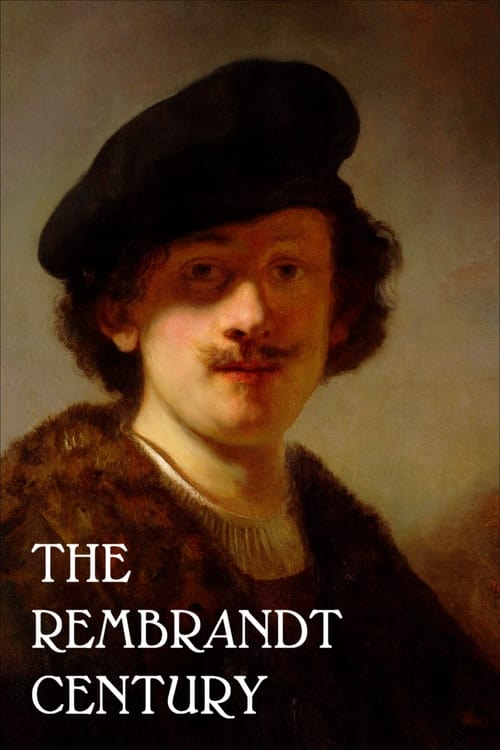
The Rembrandt Century: How Art Became Big Business (2022)
Rembrandts Zeitalter – Kunst, Markt und Geschäft
Overview
In the 17th century, the Netherlands experienced an unprecedented artistic explosion: painters such as Rembrandt, Vermeer and Hals were so prolific that they were able to make a living from their talent alone; so much so that, within a prosperous society, thanks to wealth from overseas colonies and financial speculation, collecting works of art became a status symbol.
Cast & Crew
Recommendations
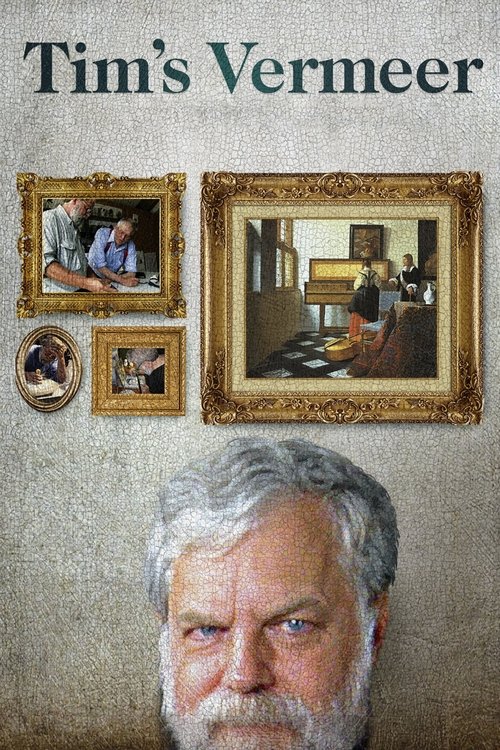
Tim's Vermeer
Tim Jenison, a Texas based inventor, attempts to solve one of the greatest mysteries in all art: How did Dutch Master Johannes Vermeer manage to paint so photo-realistically 150 years before the invention of photography? Spanning a decade, Jenison's adventure takes him to Holland, on a pilgrimage to the North coast of Yorkshire to meet artista David Hockney, and eventually even to Buckingham Palace. The epic research project Jenison embarques on is as extraordinary as what he discovers.
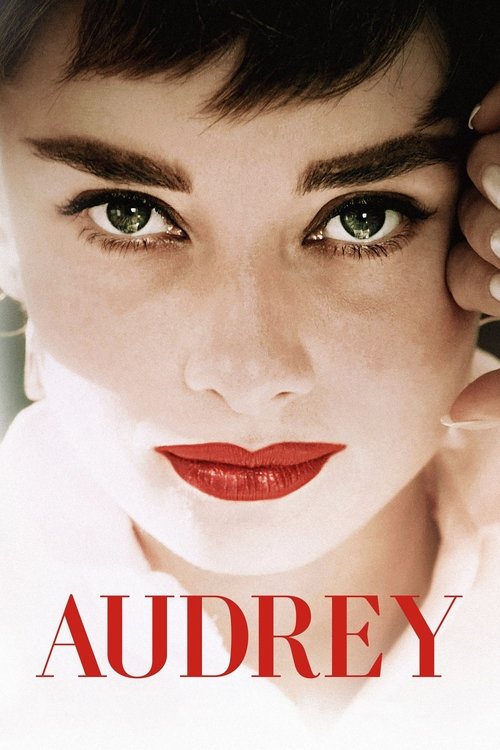
Audrey
An unprecedented and intimate look at the life, work and enduring legacy of British actress Audrey Hepburn (1929-1993).
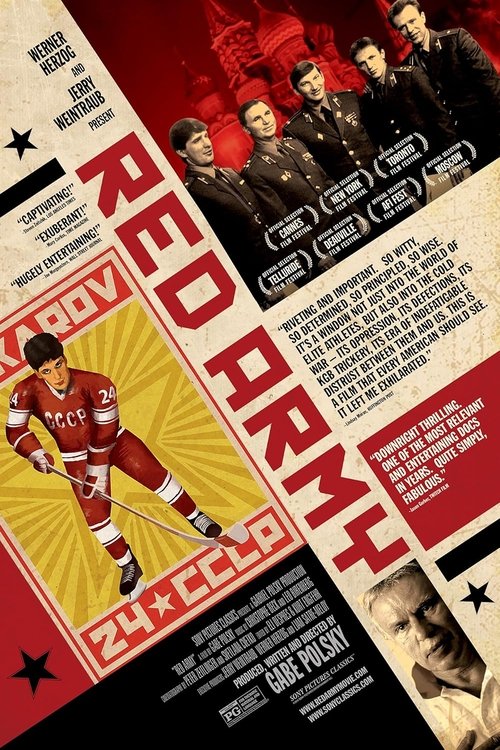
Red Army
A documentary highlighting the Soviet Union's legendary and enigmatic hockey training culture and world-dominating team through the eyes of the team's Captain Slava Fetisov, following his shift from hockey star and celebrated national hero to political enemy.
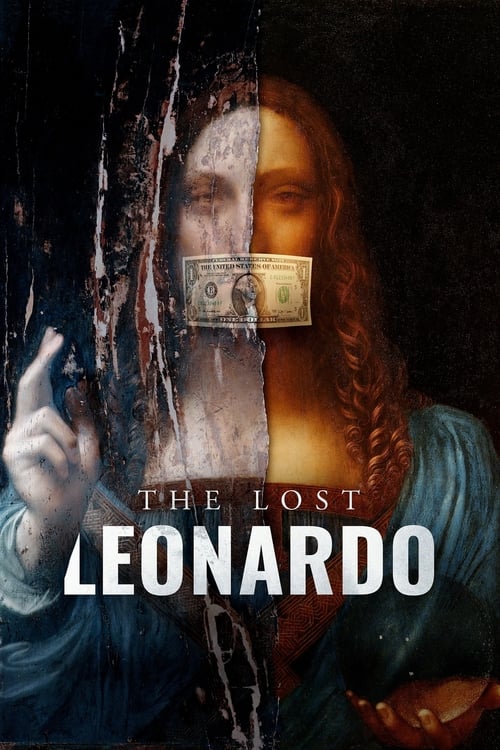
The Lost Leonardo
London, England, 2008. Some of the most distinguished experts on the work of Italian artist Leonardo da Vinci (1452-1519) gather at the National Gallery to examine a painting known as Salvator Mundi; an event that turns out to be the first act of one of the most fascinating stories in the history of art.
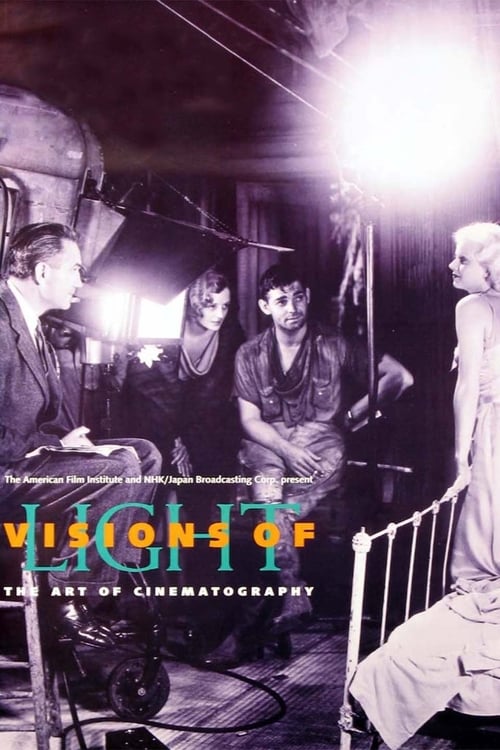
Visions of Light
Cameramen and women discuss the craft and art of cinematography and of the "DP" (the director of photography), illustrating their points with clips from 100 films, from Birth of a Nation to Do the Right Thing. Themes: the DP tells people where to look; changes in movies (the arrival of sound, color, and wide screens) required creative responses from DPs; and, these artisans constantly invent new equipment and try new things, with wonderful results. The narration takes us through the identifiable studio styles of the 30s, the emergence of noir, the New York look, and the impact of Europeans. Citizen Kane, The Conformist, and Gordon Willis get special attention.
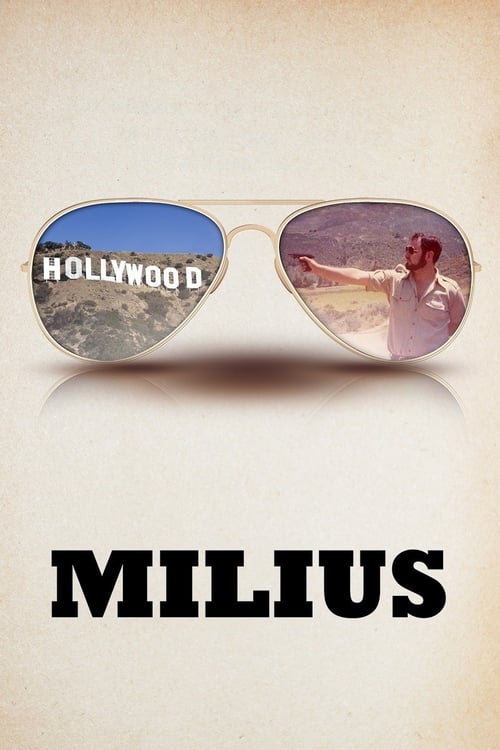
Milius
The life story of ‘Zen Anarchist’ filmmaker John Milius, one of the most influential storytellers of his generation.
And the Oscar Goes To...
The story of the gold-plated statuette that became the film industry's most coveted prize, AND THE OSCAR GOES TO... traces the history of the Academy itself, which began in 1927 when Louis B. Mayer, then head of MGM, led other prominent members of the industry in forming this professional honorary organization. Two years later the Academy began bestowing awards, which were nicknamed "Oscar," and quickly came to represent the pinnacle of cinematic achievement.
Fuck
A documentary on the expletive's origin, why it offends some people so deeply, and what can be gained from its use.
Similar
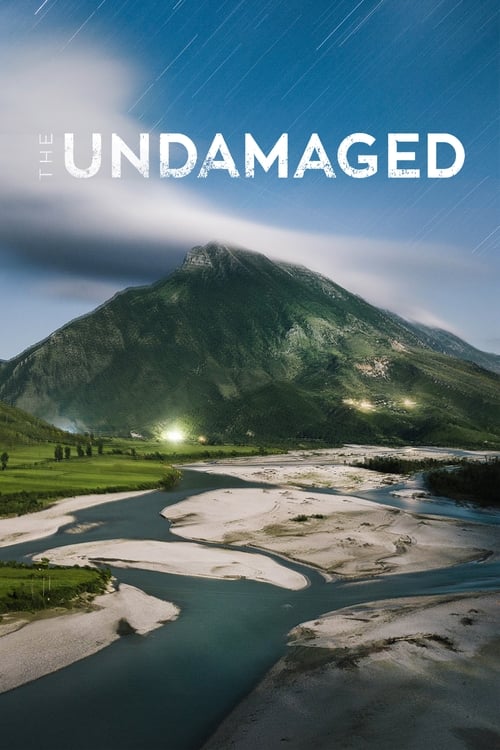
The Undamaged
Nepoškodovane
The Balkans cradles Europe's last wild rivers and supports abundant wildlife and healthy, intact ecosystems. These rivers are "The Undamaged" – clean, pristine, and undammed. With over 2,700 small and large hydro power plants planned or under construction in the Balkans, corruption and greed are destroying the last free-flowing rivers of Europe. Follow the Balkan Rivers Tour, a rowdy crew of whitewater kayakers, filmers, photographers and friends who decided to stand up for the rivers, travelling from Slovenia to Albania for 36 days, kayaking 23 rivers in 6 countries to protest the dams and show the world the secret wild rivers of the Balkans. The film honours everyday people and local activists who are fighting to defend rivers and aims to spread the word of the plight of these rivers, showing a new style of nature conservation that is fun, energetic and effective.
Salvador Dalí: Génie tragi-comique
Moving Memories
A journey into the 1920s and 1930s featuring restored and edited home movies taken by Japanese American immigrant pioneers.

Hitchcock at the N.F.T.
In his 70th year, Alfred Hitchcock came to the National Film Theatre in London to talk to fellow director Bryan Forbes and to answer questions from an audience of film enthusiasts.

Babylone, la cité des merveilles
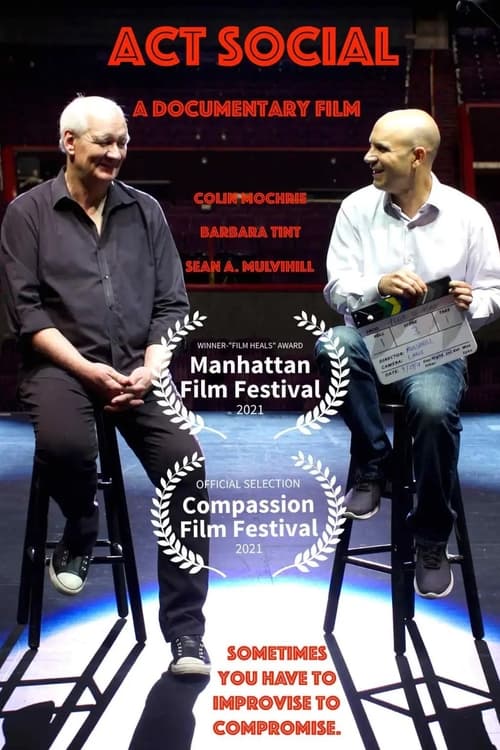
Act Social
Civil discourse is vanishing from modern society. Improv comedians heal the divide in this documentary feature film starring Colin Mochrie (Whose Line is it, Anyway?) that explores the use of improvisation for conflict resolution. Republican Karl Rove performs improv with Colin Mochrie and endears himself to a room half-full with Democrats. Police officers do improv with local youth in order to learn listening skills. Dr. Daniel J. Wiener brings couples back from the brink of divorce using improv. Dr. Charles Limb places Second City improv comedians in a functional MRI machine to see what happens in the brain when we improvise.
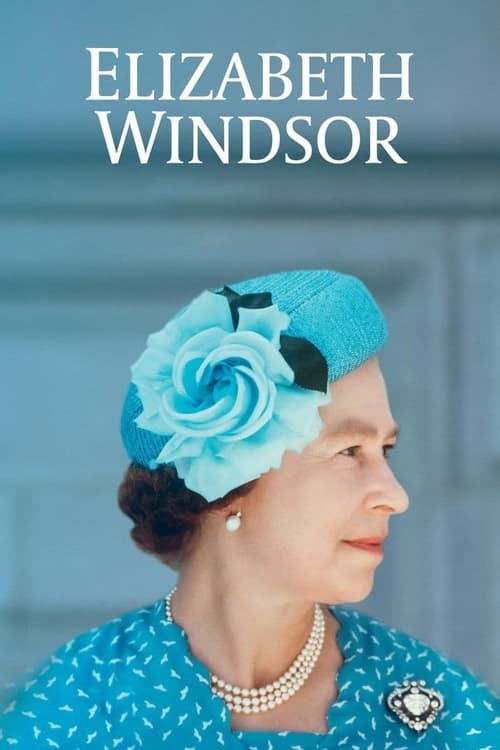
Elizabeth Windsor
Elizabeth Windsor tells the story of the girl who was never supposed to be Queen. Born the first daughter of 'the spare', the Duke of York, Princess Elizabeth's life was destined to be nothing more than a bit part in the privileged shadows of the British Royal family.
My Father's Camera
Home movies and their unique place in popular culture are the subject of My Father's Camera. Director Karen Shopsowitz weaves the history of home movies together with footage shot by her father--amateur filmmaker Israel Shopsowitz. Equipped with her dad's old Super 8 camera, Karen traces the history of home movies from the 1920s through to the amateur explosion of the '30s and '40s and beyond. She interviews a lively line-up of scholars and collectors, such as early members of the Toronto Film Club, a Japanese-American archivist who sees home movies as an expression of cultural diversity and a collector who hosts popular Webcasts that highlight new acquisitions.