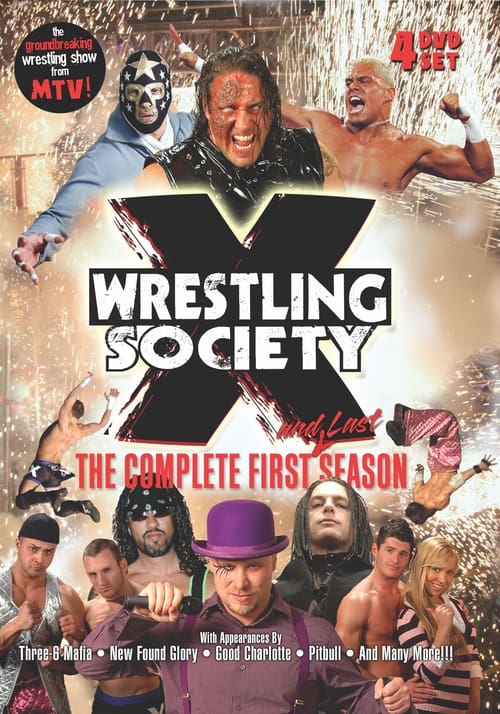
Wrestling Society X (2007)
Overview
Wrestling Society X was a short-lived professional wrestling-based television series produced in 2006 by Big Vision Entertainment. The weekly television series formerly aired on MTV, MTV2, MTV Tr3s, and over a dozen other MTV outlets throughout the world. WSXtra, an extra program featuring WSX matches and interviews not broadcast on television, was available on the promotion's MTV website and Video on Demand. WSX was presented as a secret society of wrestling that used a venue referred to as the WSX Bunker, complete with an artificially worn-out looking ring for its matchups. In matches held within this venue, falls count anywhere was the stipulation. The program also stood out due to its unorthodox approach to pro wrestling; this included frequent use of highly expressive plants, crowd sound effects, electrical sound effects, visual effects, and camera shaking when a wrestler would fall prey to electrical weapons. Along with wrestling, WSX featured musical guests playing at the start of each television broadcast, with some band members joining the broadcast team after the performance.
Cast & Crew
Vic Grimes
Ryan Sakoda

Peter Polaco
Josh Raymond
Josh Abercrombie

Lacey
Christopher Hamrick
Oren Hawxhurst
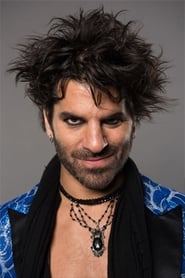
Christopher Scoville
Jimmy Jacobs
Tony Drake

Claude Marrow Jr.

Aaron Aguilera
Joey Muñoz
Arik Cannon

Mickie Lee Knuckles
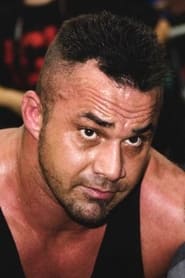
Edward Ellsworth Annis
Masato Yoshino

Scott Colton
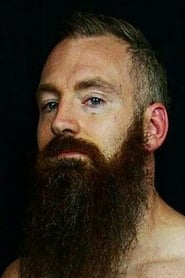
Matt Capiccioni
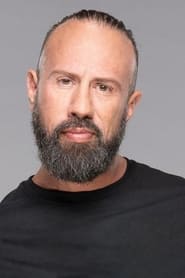
Sean Waltman
Rick Clements

Sara Amato

Theodore James Perkins

Jack Miller

Gilbert Cosme
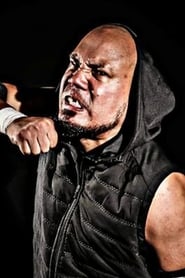
Benito Cuntapay
B-Boy
Craig Williams
Human Tornado
Jibbs
Sparta
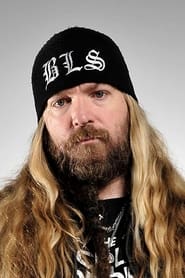
Zakk Wylde
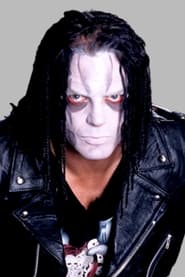
Ian Hodgkinson
Quietdrive
Fabien Kaelin
Kris Kloss
Good Charlotte
Elizabeth Miklosi
Gary Wolfe
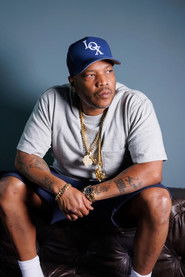
Styles P

Bret Ernst
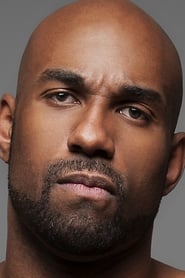
Schuyler Andrews
Scorpio Sky
Youth Suicide
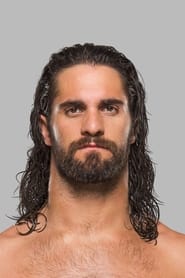
Colby Lopez
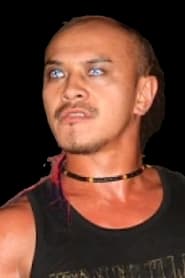
Hiromasa Horiguchi

Joseph Ryan Meehan
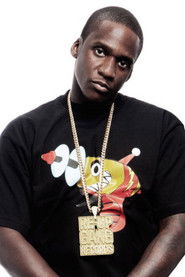
Malice
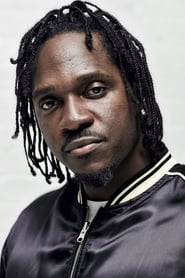
Pusha T
Recommendations
WWE Saturday Night's Main Event
A professional wrestling television program produced by the World Wrestling Federation banner on NBC airing in place of Saturday Night Live. The series was made up entirely of star vs. star bouts in a time when weekly programming consisted primarily of established stars dominating enhancement talent.

WWE NXT
Wrestlers will portray heroes or villains as they follow a series of events that build tension and culminate in a wrestling match or series of matches.
Raw
A regularly scheduled, live, year-round program featuring some of the biggest WWE Superstars.
WWE ECW
ECW was a professional wrestling television program for WWE, based on the independent Extreme Championship Wrestling promotion that lasted from 1992 to 2001. The show's name also referred to the ECW brand, in which WWE employees were assigned to work and perform, complementary to WWE's other brands, Raw and SmackDown. It debuted on June 13, 2006 on Sci Fi in the United States and ran for close to four years until it aired its final episode on February 16, 2010 on the rebranded Syfy. It was replaced the following week with WWE NXT.
WWE Main Event
WWE Main Event is a professional wrestling television program produced by WWE that airs on Peacock and streams on Hulu Plus in the United States. The show features WWE wrestlers and complements WWE's primary programs Raw and SmackDown.
WCW Monday Nitro
WCW's flagship show led to the famous Monday Night War. Featuring the nWo, Lex Luger, Ric Flair, Sting, and the Cruiserweights.
The Ultimate Fighter
The next generation of UFC stars are produced in an intense elimination tournament that separates the contenders from the pretenders.
GLOW
In 1980s LA, a crew of misfits reinvent themselves as the Gorgeous Ladies of Wrestling.
Similar
WCW Saturday Night
WCW Saturday Night is the place to see the top WCW Superstars of the 1990s competing in the ring and giving unforgettable interviews.
Jim Rome Is Burning
Host Jim Rome interviews sports figures, gives personal opinions on a few of the day's sports stories and is joined by analysts to discuss controversies in sports. Weekly correspondent segments featuring athletes take viewers closer to an aspect of a sport -- inside a team's locker room, a practice or a day in the life of the featured athlete or team.
WCW WorldWide
WCW WorldWide was a syndicated TV show produced by World Championship Wrestling.
WWE Saturday Night's Main Event
A professional wrestling television program produced by the World Wrestling Federation banner on NBC airing in place of Saturday Night Live. The series was made up entirely of star vs. star bouts in a time when weekly programming consisted primarily of established stars dominating enhancement talent.
The Ultimate Fighter
The next generation of UFC stars are produced in an intense elimination tournament that separates the contenders from the pretenders.
WWE Velocity
WWE Velocity was a professional wrestling television program produced by World Wrestling Entertainment. It replaced two syndicated WWE shows, Jakked/Metal. Once a weekly Saturday night show on Spike TV and on Sky Sports 2 in the UK on Sunday mornings, Velocity became a webcast from 2005 to 2006. The newest episode would be uploaded to WWE.com on Saturdays and be available for the next week. Older webcast episodes were also archived. It was the counterpart show to WWE SmackDown and WWE Raw and was recorded before the television taping of SmackDown. Get up to speed on the week's high-octane events from the SmackDown brand and see exclusive matches only on WWE Velocity.
60 Minutes Sports
The first name in news magazines is now the last word in sports. The award-winning team behind 60 Minutes now turns its investigative eye towards the world of sports. From in-depth reporting to the most compelling interviews, to get the whole story you need sixty minutes.
WWF Wrestling Challenge
The biggest WWE Superstars of the late 1980s and early '90s settle their differences in the ring on "Wrestling Challenge"; featuring exciting matches and memorable interviews, this weekly television series captures an important era of WWE history.
Current Season
Season 1
No overview available