opera
20 items
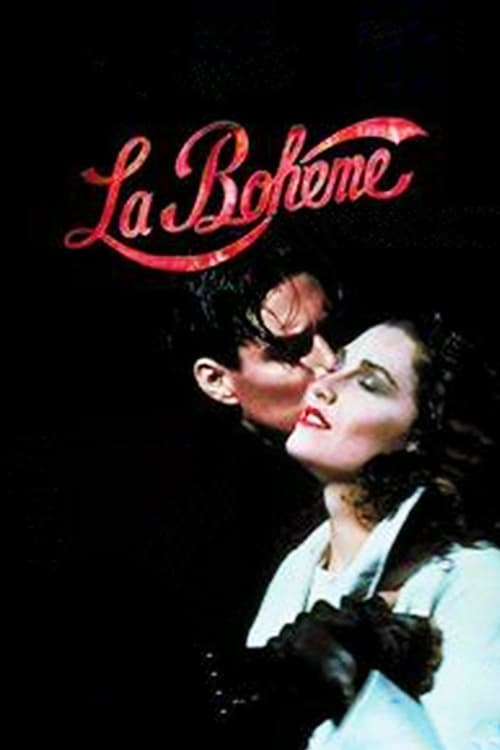
La Bohème
In the 50's, in Paris, the neighbors Rodolfo and Mimi meet each other when Mimi's candle blows out in a cold and dark night. They immediately fall in love for each other, in times of financial difficulties in the post-war. Rodolfo introduces Mimi to his close friends Marcello and his beloved Musetta; Colline; and Schaunard and together they have a good-time in Café Momus. Some time later, Mimi tells Marcello that she can not support the jealousy of Rodolfo any longer and when Marcello discuss with Rodolfo, Mimi overhears the real reason for the behavior of her beloved Rodolfo.

The Lilac Domino
In this musical, an enigmatic masked woman catches the roving eye of a wily playboy gambler at a masquerade ball. If he knew that she was using her wiles as bait and was planning to reform him of his gambling womanizing ways after catching him, he may have head for different waters.
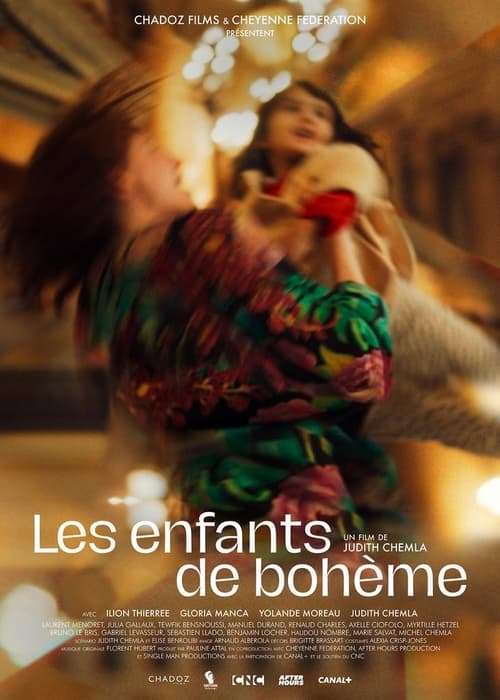
Les enfants de bohème
Idi and Rita live with their grandmother, Manie. Idi tries to keep the memories they have of their mother, by drawing on his school notebook. By the force of their desire, the children keep the link they have to their funny mother, despite the separation.
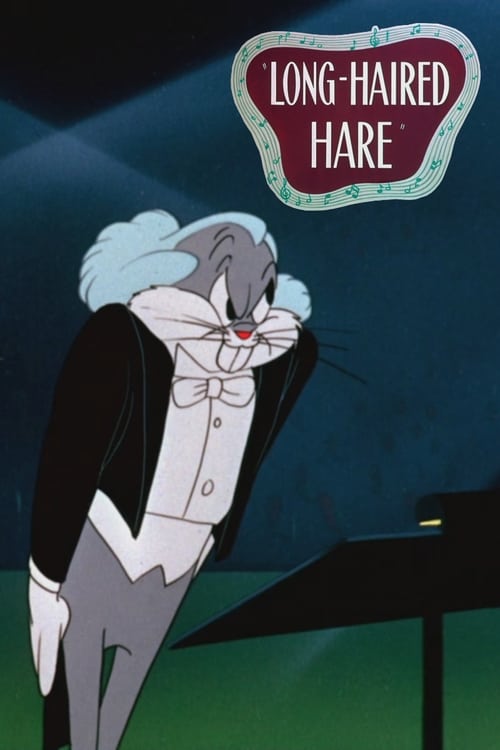
Long-Haired Hare
Bugs Bunny vs. a famous opera singer at the Hollywood Bowl.
The Threepenny Opera
Die Dreigroschenoper
The Threepenny Opera proclaims itself "an opera for beggars," and it was in fact an attempt both to satirize traditional opera and operetta and to create a new kind of musical theater based on the theories of two young German artists, composer Kurt Weill and poet-playwright Bert Brecht. The show opens with a mock-Baroque overture, a nod to Threepenny's source, The Beggar's Opera, a brilliantly successful parody of Handel's operas written by John Gay in 1728. In a brief prologue following the overture, a shabby figure comes onstage with a barrel organ and launches into a song chronicling the crimes of the notorious bandit and womanizer Macheath, "Mack the Knife." The setting is a fair in Soho (London), just before Queen Victoria's coronation. In this production, Weill champion HK Gruber led the Ensemble Modern in a performance of Weill's complete original score, the first time it had been heard in Germany in many years. This production was broadcast on German television (3sat).
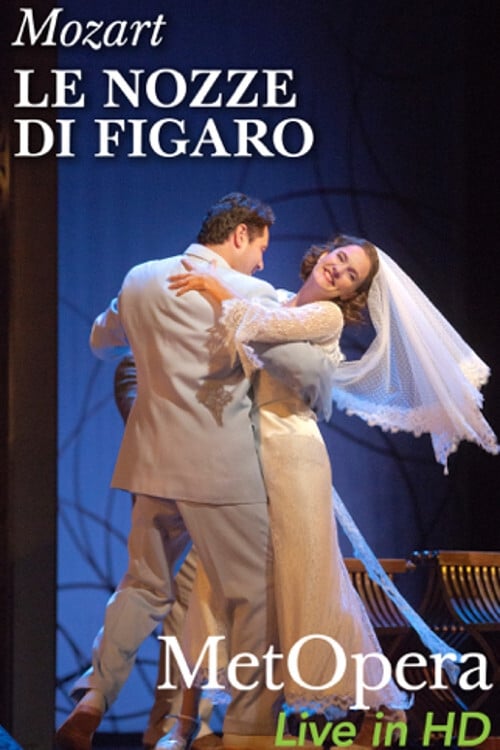
The Metropolitan Opera: The Marriage of Figaro
The Metropolitan Opera: Le Nozze Di Figaro
Richard Eyre’s elegant production, which opened the Met’s 2014–15 season, sets the action of Mozart’s timeless social comedy in a manor house in 1930s Seville. Ildar Abdrazakov leads the cast as the resourceful Figaro set on outwitting his master, the philandering Count Almaviva, played by Peter Mattei. Marlis Petersen sings Susanna, the object of the Count’s affection and Figaro’s bride-to-be, Amanda Majeski is the Countess, and Isabel Leonard gives a standout performance as the pageboy Cherubino. Music Director James Levine on the podium brings out all the humor, drama, and humanity of Mozart’s score.
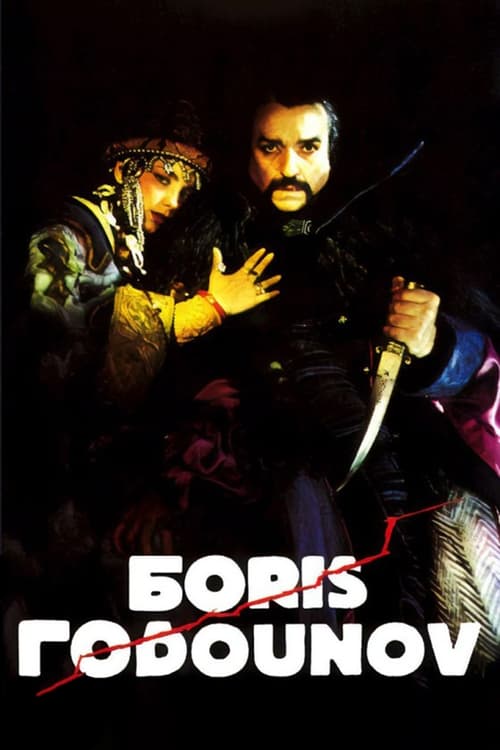
Boris Godounov
A possible impostor torments a newly crowned medieval czar who may have ordered the real successor's death.
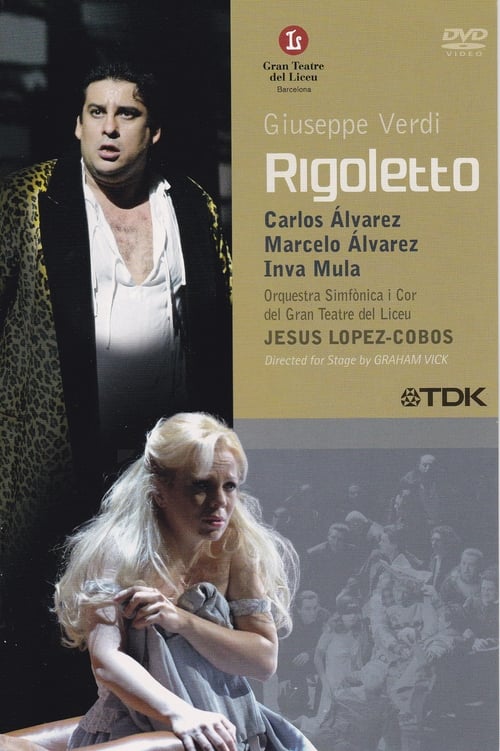
Rigoletto
In Rigoletto, the deformed figure of the hunchbacked jester at the Mantuan court acts as a foil to his cynical and powerful master, an unscrupulous philanderer contrasted with his cruel and unforgiving fool. Rigoletto encourages and welcomes the Duke's conquests, pitilessly mocking his victims until he discovers that the Duke has abducted the one person he genuinely loves, his own daughter. As a result, the character of the court jester is transformed into a tragic figure who, in spite of his evident immorality and malice, allows us to sense the devotion he feels for his daughter and his horror at being destroyed by the same despotic world as that which he himself has helped to create.
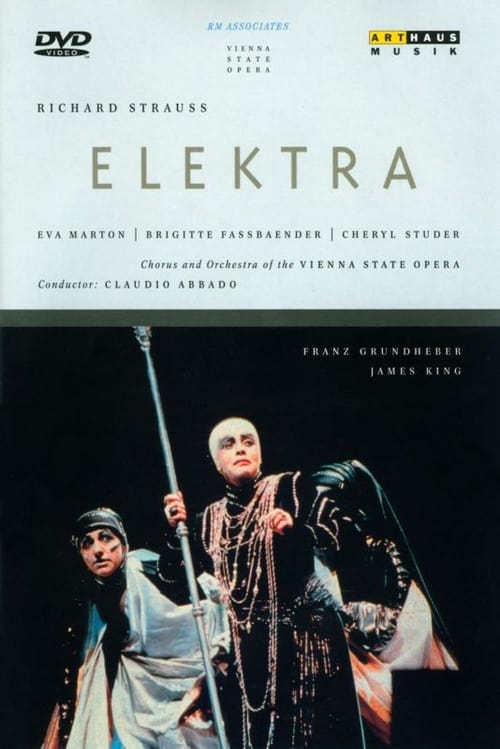
Elektra
Recorded at the Vienna State Opera house in 1989, this staging of Richard Strauss and Hugo von Hofmannsthal’s Elektra is one of the glories of live opera on film, deserving of eternal availability. The DVD picture has great clarity, despite the darkness of Hans Schavernoch’s set design. Other than the cliché of a huge statue head, toppled on its side, the set manages to be suitably representative of a decaying palace as well as an imposing, theatrical space, dominated by the mammoth body of the statue from which the head apparently dropped, draped with the ropes that seem to have enabled the decapitation. Sooner or later most of the characters cling to and twist around those ropes, an apt stage metaphor for the remorseless repercussions from the murder of Agammenon by his unfaithful wife Klytämnestra and her paramour, Aegisthus. Reinhard Heinrich’s costumes capture a distant era while sustaining a creepily modern look — part Goth, part homeless, part Spa-wear.
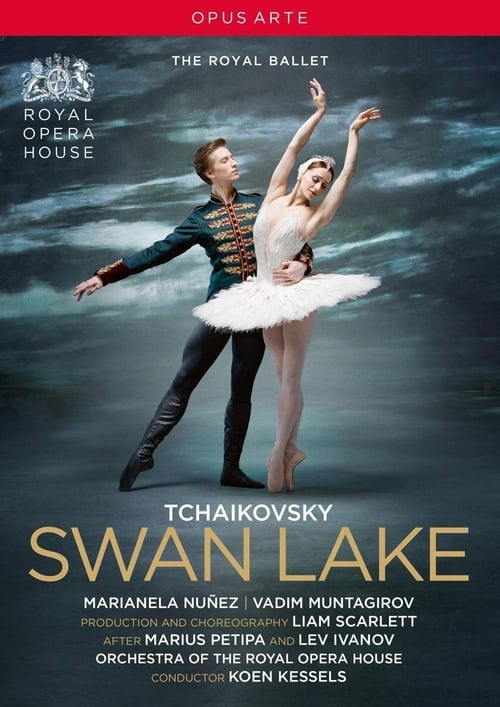
Royal Opera House: Swan Lake
The Royal Ballet performs Tchaikovsky's classic ballet, choreographed by Liam Scarlett and starring Marianela Nunez as Odette/Odile and Vadim Muntagirov as Prince Siegfried.
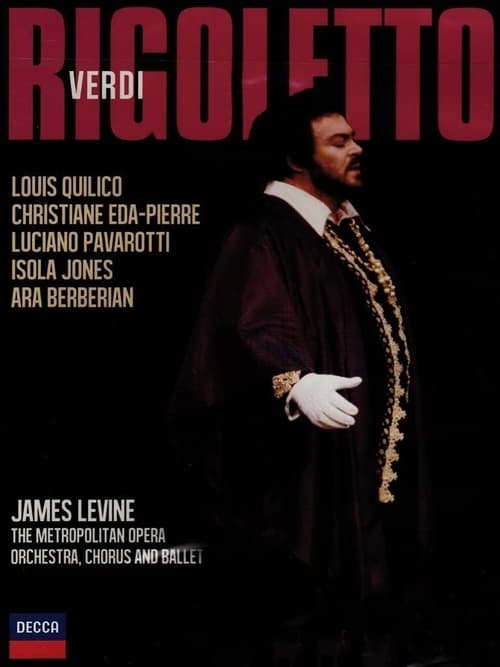
Verdi: Rigoletto
The opera's dramatic structure frames and enhances the characters. Scenes of magnificence regularly alternate with scenes of darkness and squalor. From sumptuous interiors, we move to a dark street, a lonely inn. The secondary figures are astutely counterpoised: the plotting courtiers against the plotting Sparafucile and Maddalena (also ambiguously tender-hearted). When Rigoletto says "Pari siamo", he could be expressing the motto of the whole work: the beautiful and the ugly can be equally good, equally evil.
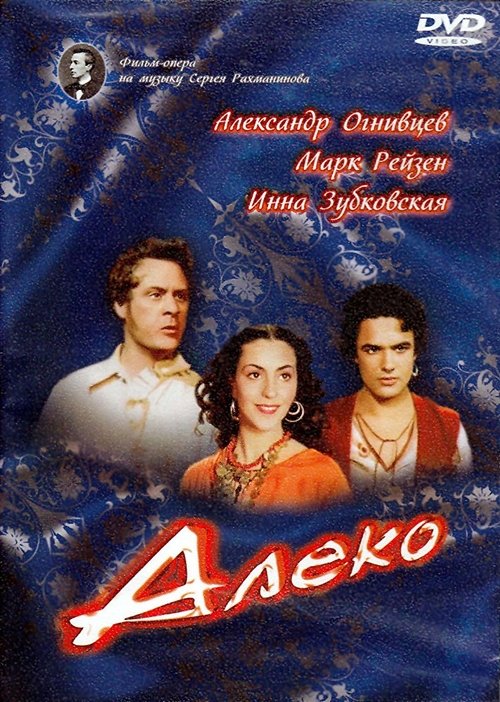
Aleko
Алеко
The history of the gypsy Aleko who couldn't forgive the betrayal of his wife.
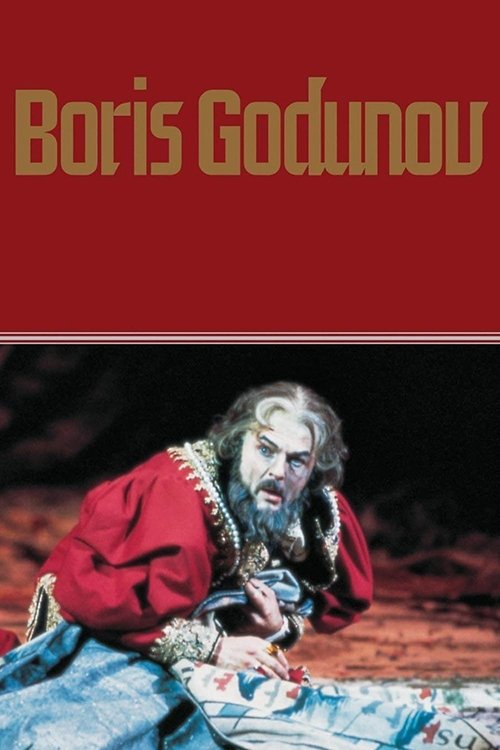
Boris Godunov
This is the Andrei Tarkovsky production of the famous Pushkin/Mussorgsky opera, performed in 1990. Modest Mussorgsky's opera in prologue and four acts is performed by the Kirov Opera with performances from Olga Borodina, Alexei Steblianko and Sergei Leiferkust. Boris Godunov has obtained the throne of Russia by murdering the rightful heir Dmitry. An old monk, Pimen, witnessed this, and convinces his apprentice Grigory to avenge Dmitry's death. In the following years Grigory poses as Dmitry, raising an army against Boris, who is now convinced that he is being punished for the murder. Filmed in Russia during the collapse of the Soviet Union, this particular production of Mussorgsky's 1872 tale of political upheaval is considered a highly unique and historical moment in opera. Robert Lloyd stars in the title role of Boris Godunov.
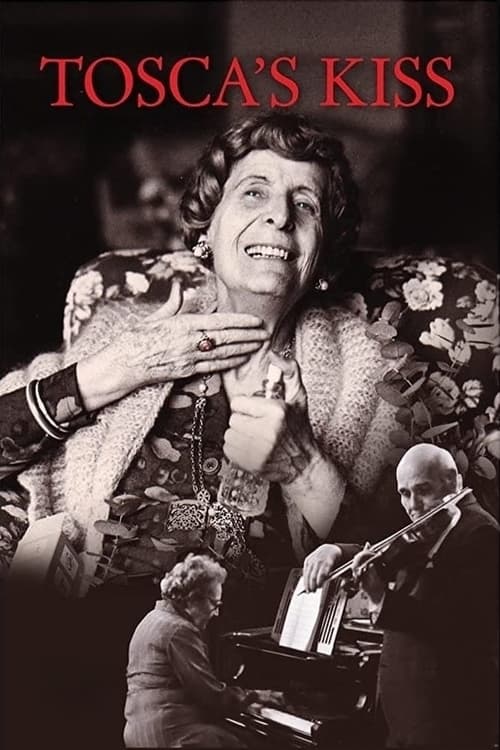
Tosca's Kiss
Il bacio di Tosca
Memoirs of the Italian Opera by the singers and musicians of the Casa Verdi, Milan, the world’s first nursing home for retired opera singers, founded by composer Giuseppe Verdi in 1896. This documentary, which has achieved cult-like status among opera and music lovers, features former singers who reminisce about their careers and their past operatic roles.
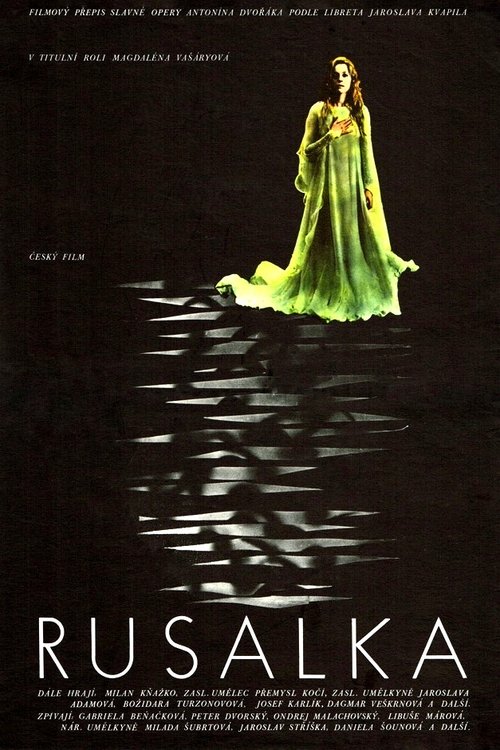
Rusalka
Three arias from Antonín Dvořák´s fairytale opera Rusalka turned in to a movie, sung by Gabriela Beňačková (Rusalka), Libuše Márová (Witch), René Tuček (Hunter).
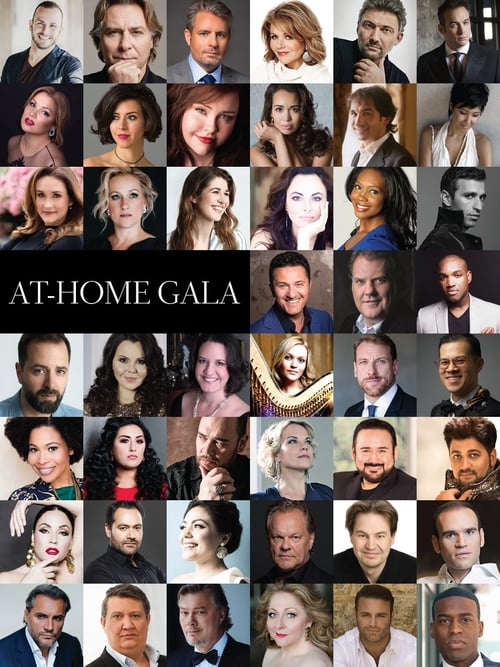
Metropolitan Opera At Home Gala
In its most ambitious effort yet to bring the joy and artistry of opera to audiences everywhere during the Met’s closure, the company presented an unprecedented virtual At-Home Gala, featuring more than 40 leading artists performing in a live stream from their homes all around the world.

Parsifal
A psychological interpretation of the opera mixing in references to the history of Germany, Wagner’s life, German literature and philosophy. The action is centered on Wagner’s death mask. Kundry is the main character – one might read the film as the story of her redemption rather than that of Amfortas.
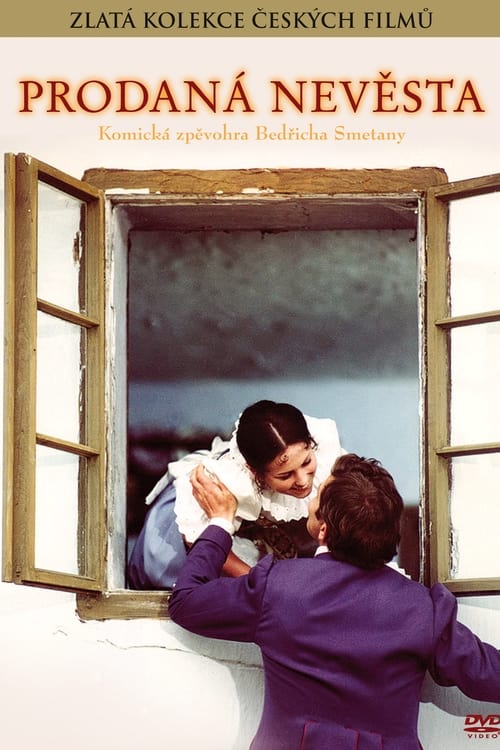
Prodaná nevěsta
Set in a South Bohemian village, this faithful film version of Smetana’s opera follows farmer Krušina’s plan to marry his daughter Mařenka to wealthy Vašek. Mařenka loves Jeník, a stranger. Through matchmaking schemer Kecal’s plots and revealed identities, true love triumphs in a festive village wedding.
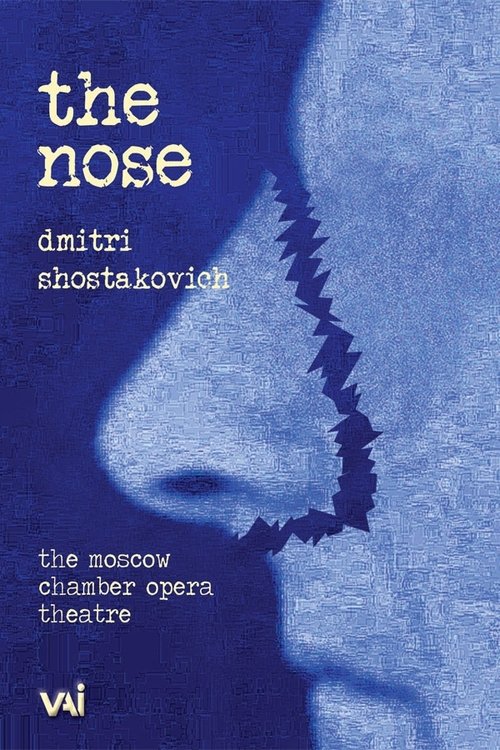
The Nose
Shostakovich’s satirical opera adapted from the classic short story by Nikolai Gogol. Baritone Eduard Akimov leads the cast as Kovalyov, the hapless bureaucrat whose nose has mysteriously gone missing.
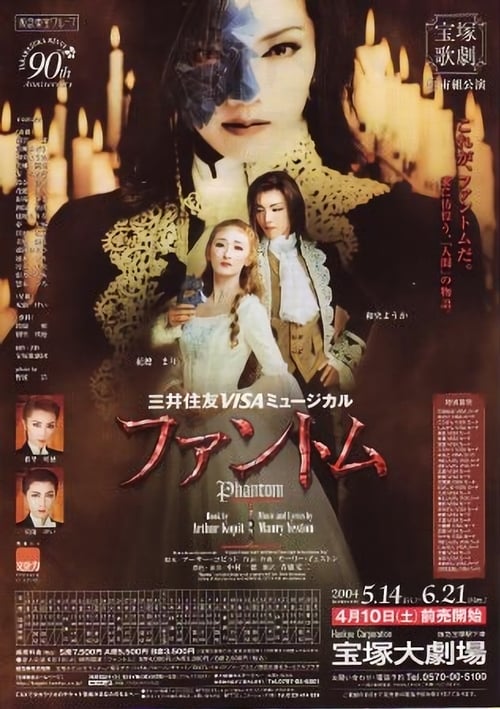
Phantom
ファントム
Takarazuka Revue's Phantom based on the play by Maury Yeston and Arthur Kopit.