nutrition
28 items
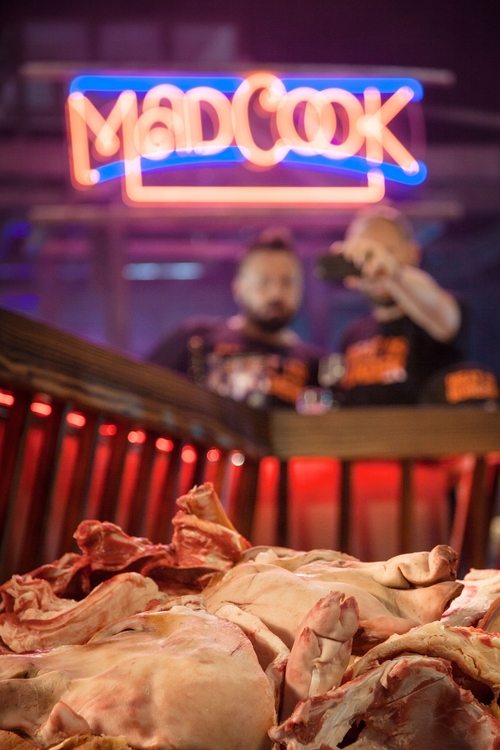
Mad Cook Show
Mad Cook Show is a smart and witty food show by mad chefs Riku Rantala and Tunna Milonoff, that invites Finland's most interesting guests to their table to eat, drink and chat - with a guaranteed Madventures twist.

Nestlé Nido Young Stars
Nido Ye Tare Hamare
Nestle Nido Young Stars is an above the line communication initiative by Nestle' Nido which aims to provide a platform where child nutrition, education, good parenting, motherly wisdom, grooming kids and result oriented tips for nurturing are brought into focus. It is 25 minute weekly talk show, 78 episodes, based program focusing on ' how to raise high performing children.' Each show focuses a family, which is considered to be a star family, child for his/her achievements, and the parents for brining up their child in such manner. A package containing the pictures, certificates of achievements, daily routine, parents, teachers & friends talking about the kid, etc. There is a nutritionist and an educationist in the show to talk about the topics of the day and to give tips to the audience about their children. A question & answer session is carried live on the set and also the emails are taken. A celebrity is there in the show as role model.
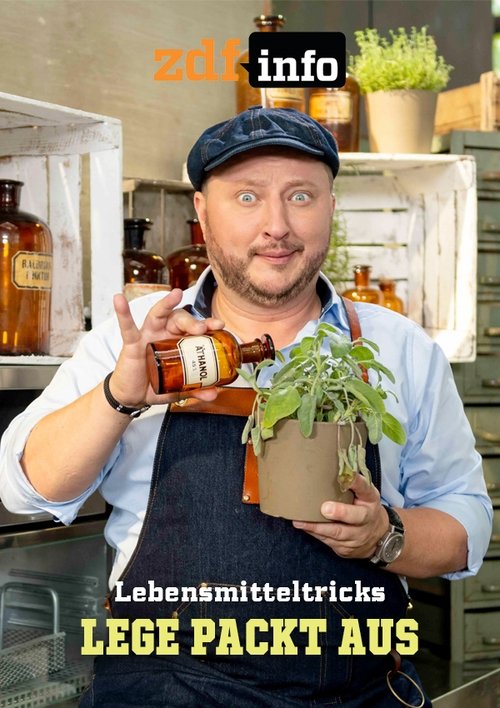
Lege packt aus
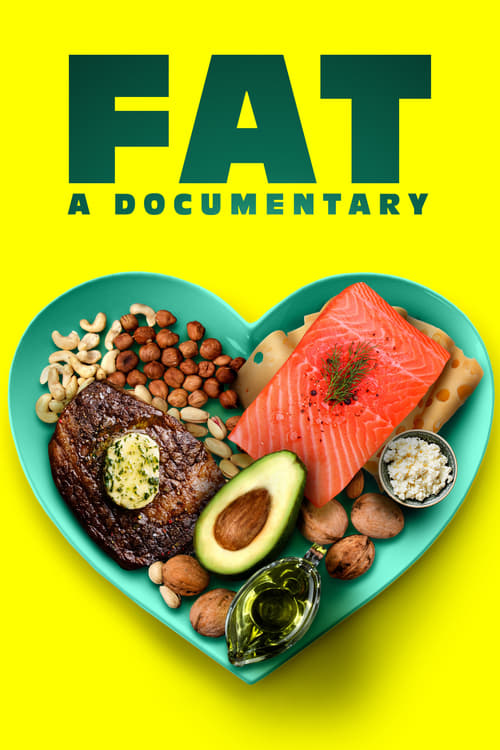
FAT: A Documentary
Weight loss expert Vinnie Tortorich and award-winning filmmaker Peter Pardini want you to join their team to make a hard-hitting documentary film that exposes the widespread myths and lies around healthy eating, fat and weight loss and shows how, in spite of all our good intentions, we go on getting fatter and fatter.
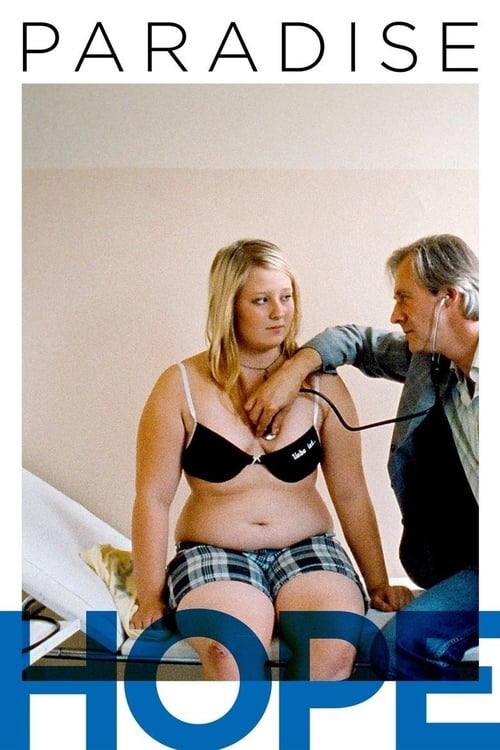
Paradise: Hope
Paradies: Hoffnung
Her mother in Kenya, 13-year-old Melanie spends her summer vacation at a strict diet camp set in the Austrian countryside. Between workouts and nutrition classes, pillow fights and first cigarettes, she falls in love with a doctor 40 years her senior.
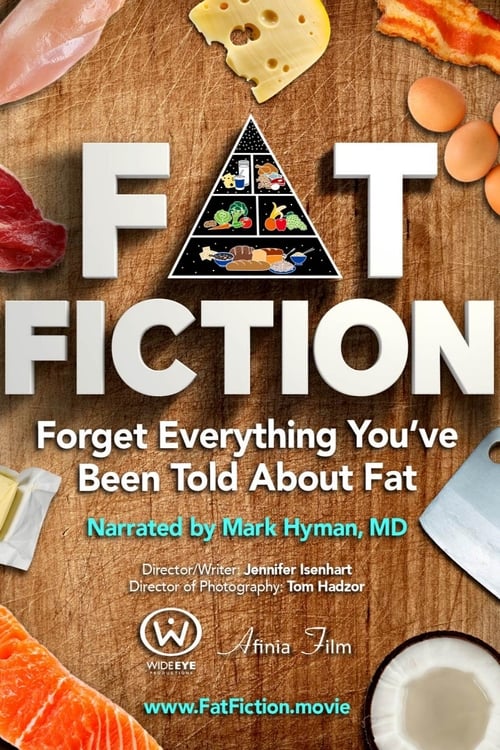
Fat Fiction
Leading health experts examine the history of the U.S. Dietary Guidelines and question decades of dietary advice insisting that saturated fats are bad for us.
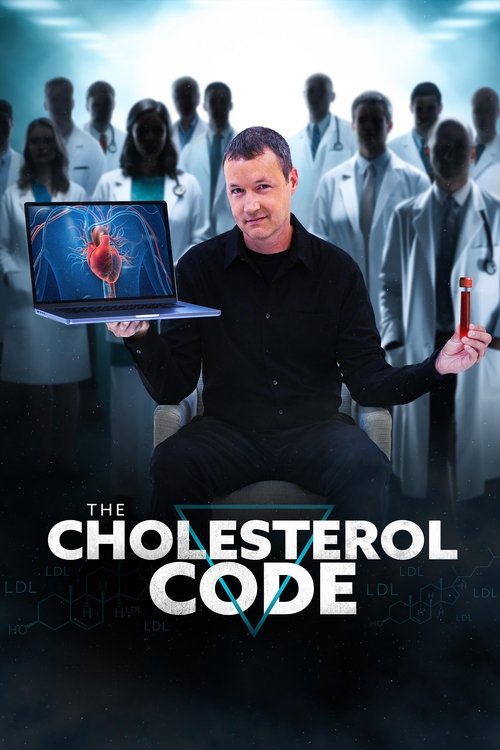
The Cholesterol Code
In a world where 92 million Americans rely on statins as their lifeline, one man's unexpected health journey uncovers a medical mystery that could upend everything we think we know about heart health, cholesterol, and the ketogenic diet.
Freaky Eaters
Freaky Eaters is an American documentary television series based on the BBC series of the same name that aired on TLC.
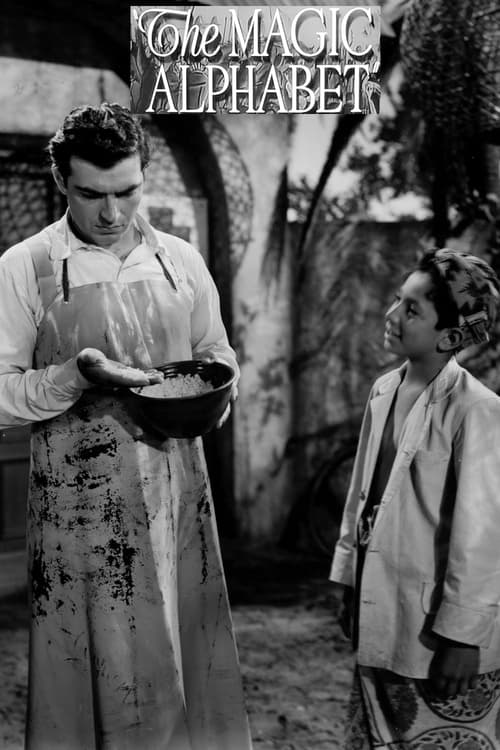
The Magic Alphabet
This MGM John Nesbitt's Passing Parade series short dramatizes how the work of Dutch physician Christiaan Eijkman, who searched for a cure for beri-beri on the island of Java in the 1890s, led to the discovery of vitamins.
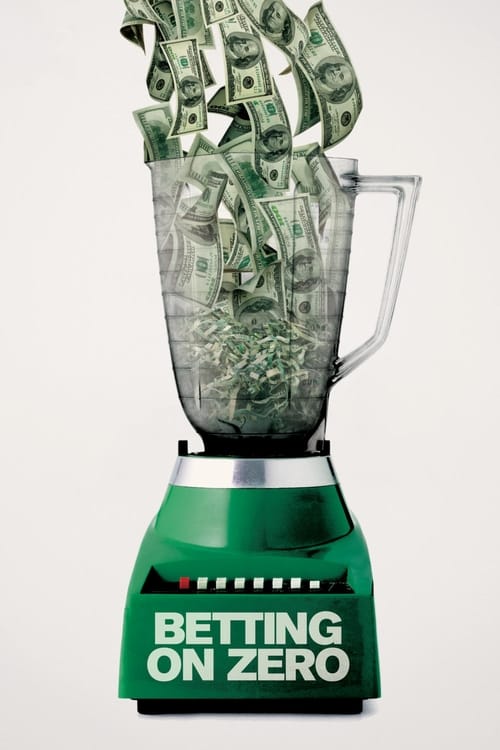
Betting on Zero
Controversial hedge fund titan Bill Ackman is on a crusade to expose global nutritional giant Herbalife as the largest pyramid scheme in history while Herbalife execs claim Ackman is a market manipulator out to bankrupt them and make a killing off his billion dollar short.
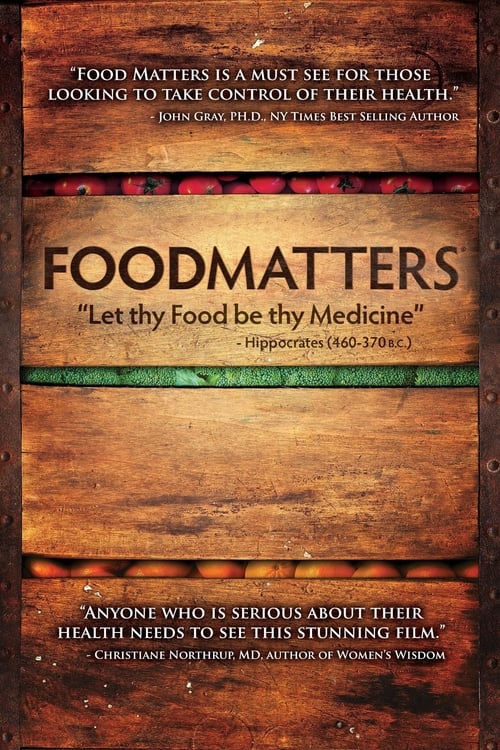
Food Matters
With nutritionally-depleted foods, chemical additives and our tendency to rely upon pharmaceutical drugs to treat what's wrong with our malnourished bodies, it's no wonder that modern society is getting sicker. Food Matters sets about uncovering the trillion dollar worldwide sickness industry and gives people some scientifically verifiable solutions for curing disease naturally.

Sustainable
This film weaves together expert analysis of America's food and farming system with a powerful narrative of one extraordinary farmer who is determined to create a sustainable future for his community.
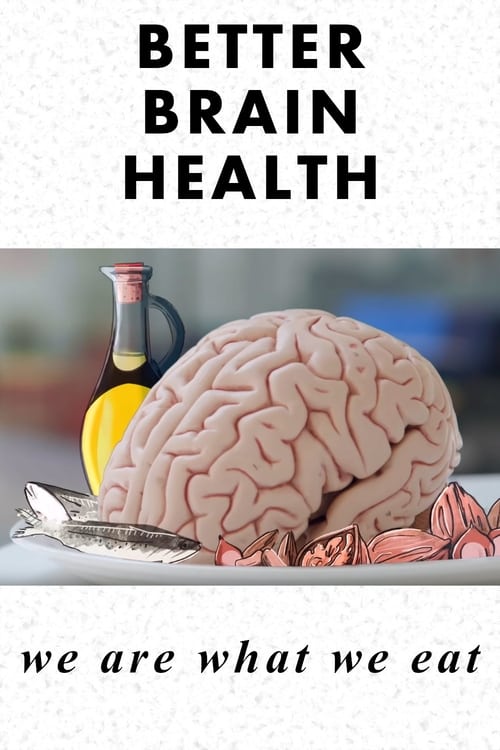
Better Brain Health: We Are What We Eat
Bien nourrir son cerveau
Documentary about the connection between diet and the brain.
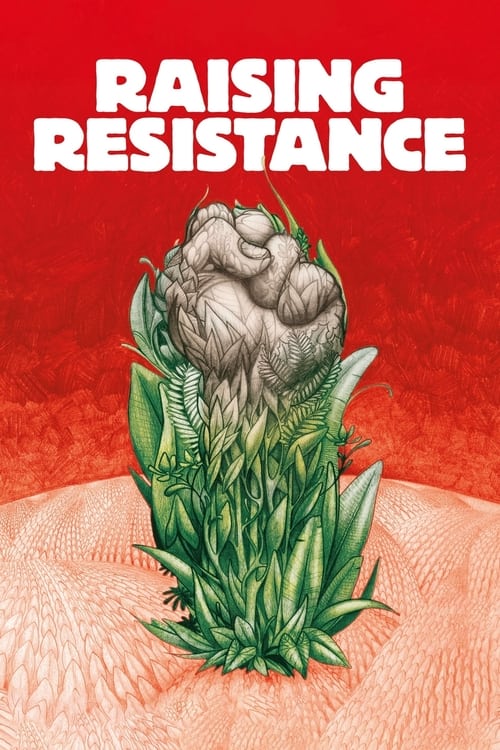
Raising Resistance
Paraguay's lush soy farms are battlegrounds between huge agri-business and small farmers. The GMO beans fatten up cattle in rich countries so steaks remain cheap. But the pesticides used are destroying the crops of the campesinos and harming their kids.
You and Your Food
Jiminy Cricket explains how every living thing has its proper kind of food, and how it is used, plus the basics of nutrition.
Mulligan Stew
Mulligan Stew was a children's educational program, sponsored by the 4-H Council and shown both in schools and on television. It was produced by Michigan State University and premiered in 1972 during National 4-H Week in Washington, D.C. The show was named for the hobo dish, and each of the six half-hour episodes gave school-age children information about nutrition. Produced by V. "Buddy" Renfro, Mulligan Stew featured a multi-racial group of five kids: Maggie, Mike, Micki, Manny, and Mulligan, plus one adult, Wilbur Dooright. The group went on nutritional adventures around the globe, although the series' filming usually stuck close to Lansing, Michigan School packages included a companion comic book with further adventures of the characters, reviews of things learned from the show, and lyrics to the show's songs. The show was noted for the key phrase "4-4-3-2" that was often invoked to refer to the USDA's then-recommended number of daily servings of the "Four Food Groups" — "fruits and vegetables," "breads and cereals," "milk or cheese," and "meat, fish or fowl." Thanks in part to the popularity of "Mulligan Stew", 4-H membership was boosted to an all-time high in 1974, and it remained on the air until 1981.

Mrs. T. and Her Cabbage Patch
Poetic tribute to Mrs Turner's vegetable growing prowess, plus the delights of "wartime steaks".
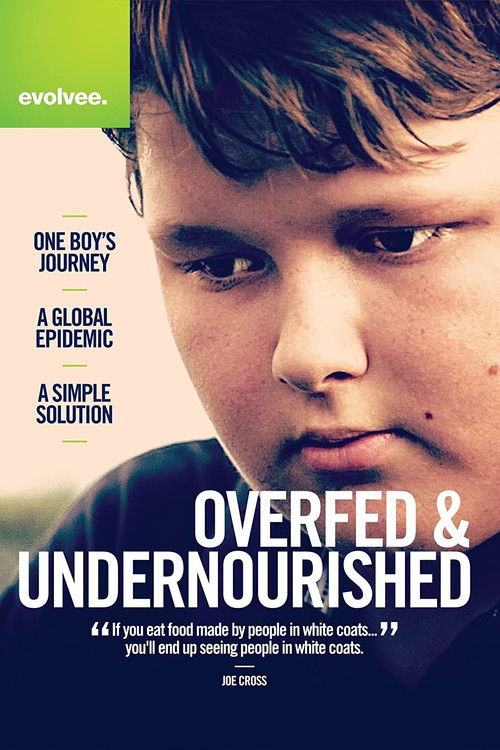
Overfed & Undernourished
Overfed and Undernourished examines a global epidemic and our modern lifestyles through one boy's inspiring and personal journey to regain his health from the inside out.
We Love Paleo
Doctors, nutritionists, authors and entrepreneurs from 4 countries share why they choose to go against conventional health wisdom to promote Paleo. The film also reflects on how they were profoundly transformed by the lifestyle beforehand.
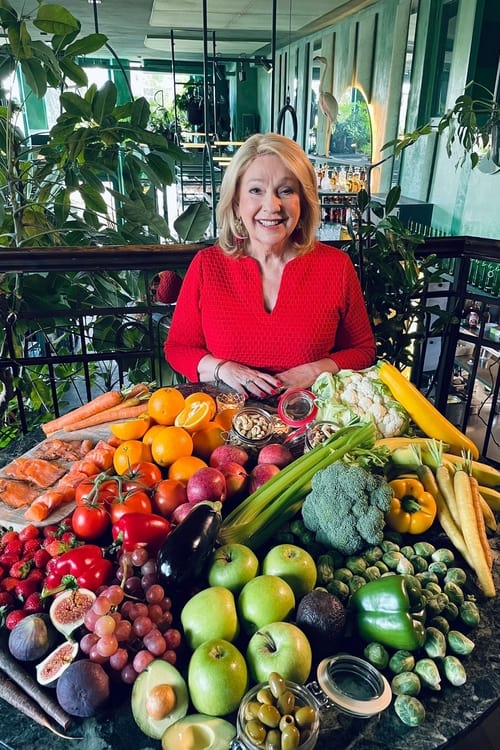
Nutrition and our brain
Voeding en ons brein
Good food can make you intensely happy. But how important is food for our brain and what influences our choices? What can we do with our diet to keep our brain and body as healthy as possible? Janny van der Heijden discovers this in this series. Together with top researchers, Janny tests their insights in practice.
Dr. Andrew Weil's Guide to Eating Well
One of America's best-known and most respected doctors offers a sensible approach to eating: He emphasizes enjoyment over deprivation, and long-term health benefits over short-term weight loss. Dr. Weil assures us that there is no confusion among nutrition experts about the optimal diet for health, body weight, and longevity. Understanding inflammation to be the root cause of many chronic illnesses, he gives science-based recommendations to help combat specific health concerns, all as part of an anti-inflammatory diet. On the subject of dietary supplements, he talks about what's perilous and what can help.

Sous le bio, la malbouffe
Sales of organic products have increased tenfold in 20 years. In 2020, the market will have exceeded 13 billion euros in sales. The heavyweights of the food industry are surfing on this consumer craze for healthy food by offering more and more "green" products. But organic does not necessarily mean nutritionally balanced.
Eating Well for Optimum Health
Andrew Weil, M.D., program director of integrated medicine at the University of Arizona, teaches doctors and the public about nutrition, In this video, he describes good eating habits, nutritional health, and cooking. He also shares some cross-cultural perspectives on these fundamental topics.
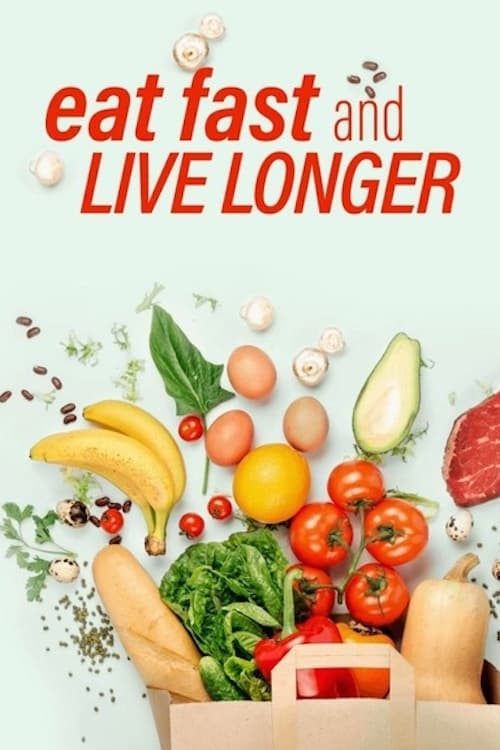
Eat, Fast and Live Longer
Horizon: Eat, Fast and Live Longer
British journalist and physician Michael Mosley sets an ambitious goal: to become healthier and lose weight while making as few changes as possible to his life. In working toward these goals, Mosley discovers a powerful new science behind the old idea of fasting, a program that still allows him to enjoy his favorite foods. He takes a road trip across the U.S. to investigate how a little hunger can turn on the body’s “repair genes” and, of course, tries the new science himself. Mosley learns that a diet based on feast and famine has powerful effects on the body, reducing the risks of heart disease, diabetes and some cancers. The diet seems to pack the anti-aging clout of calorie restriction while still allowing for a taste of the good life. And it turns out to be not only good for the body; it may also be good for the brain.
Interview so Smrtkou
What Not to Eat: Supermarket Swaps
What Not To Eat spin off

Cheap Food
La Grande Malbouffe
Industrial food production has provided the public with an abundance of food at very low prices. But with obesity and diabetes at record levels in Europe, there is clearly a problem with the food we eat. This documentary puts the spotlight on the agri-food industry and reveals how low-cost ultra-processed foods are really made.
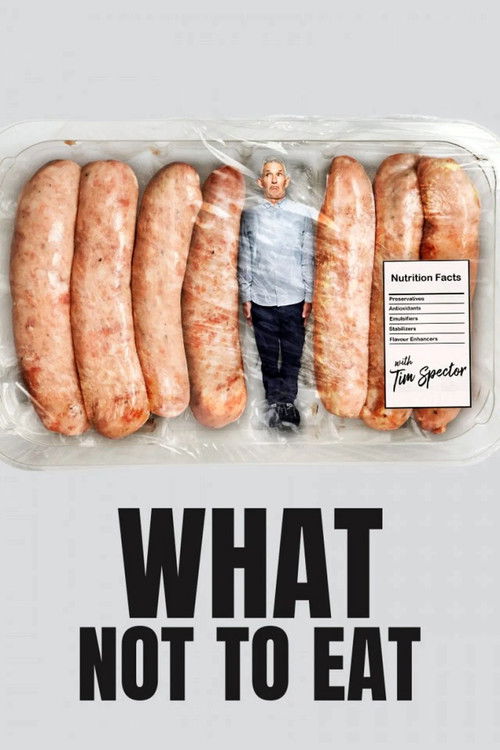
What Not To Eat
Professor Tim Spector and Dr Kandi Ejiofor help us navigate the world of ultra-processed foods and understand what effect they have on our bodies.