appalachia
20 items
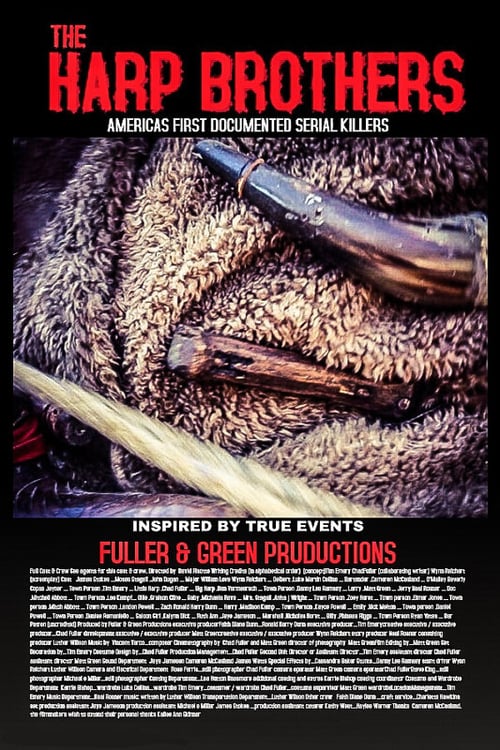
Harp Brothers
A film about America’s first serial killers. These brothers terrorized Kentucky and went across the state on a killing spree. The film is loosely based on the true story of the brothers. Filmed in historically accurate locations.
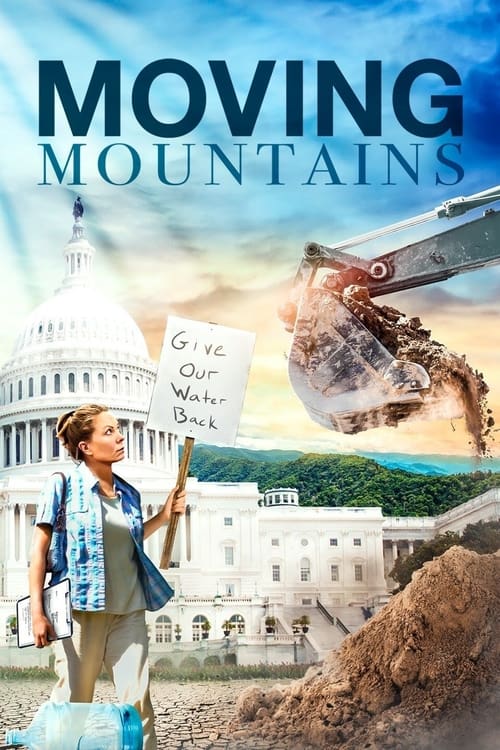
Moving Mountains
A determined housewife goes head-to-head with a $1 billion mining company after its negligent operation ruins her town's water supply.
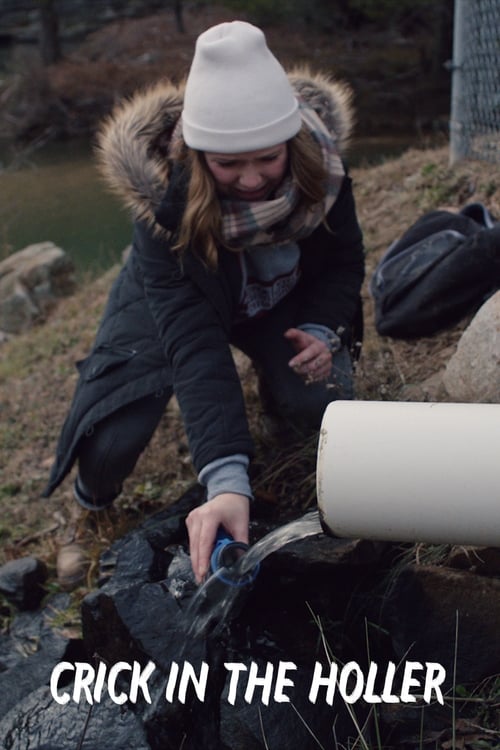
Crick in the Holler
Set in West Virginia during the 2014 Elk River chemical spill, a first-generation college student clashes with her family while investigating a bizarre issue with their water supply.

Picture Proof
Examines the intergenerational impact of addiction by chronicling the love, labor, loss, and uncertainty of one woman’s struggle to live a life of sobriety. Weaving together moments of glee, fulfillment, acceptance, sorrow, and disappointment, this documentary takes an intimate look at the bonds that hold one family together and a disease that threatens to tear them apart.
Scenes from the Blackjewel Miners Blockade
In July of 2019 the Blackjewel coal company announced it was declaring bankruptcy. Miners were told to stop working mid shift, and their last paychecks bounced. The miners retaliated by blocking a train full of coal, camping out on the coal tracks for weeks. Queer regional organizers made their way to the encampment to support the miners. The encampment became a place for community gathering and mutual aid distribution. Sarah Moyer, a film maker living in Kentucky, also made their way to the encampment and filmed this short documentary on the blockade. (Summary from Queer Appalachia)
The Children Must Learn
Documentary profiling an Appalachian farming family struggling to scrape out a living. Linking education and economic development, The Children Must Learn suggests that better schooling, especially in agricultural techniques, would bring improvement.
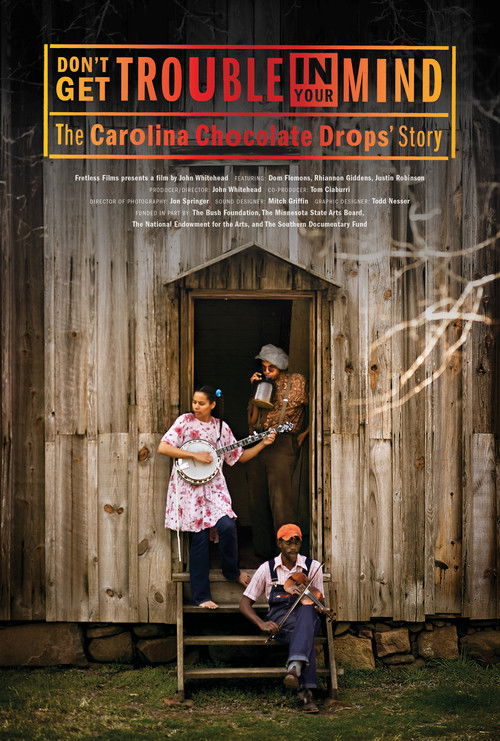
Don't Get Trouble in Your Mind: The Carolina Chocolate Drops' Story
In 2010, The Carolina Chocolate Drops stunned the music world, taking home the Traditional Folk Album Grammy for their debut album, Genuine Negro Jig. Founded in 2005 in Raleigh, North Carolina, the old-time string band members included Rhiannon Giddens, Dom Flemons and Justin Robinson, who were all inspired by the work of black fiddler Joe Thompson. As the documentary charts the band’s sudden rise, it also looks at the influence of their mentor, Thompson, and the African origins of the banjo.
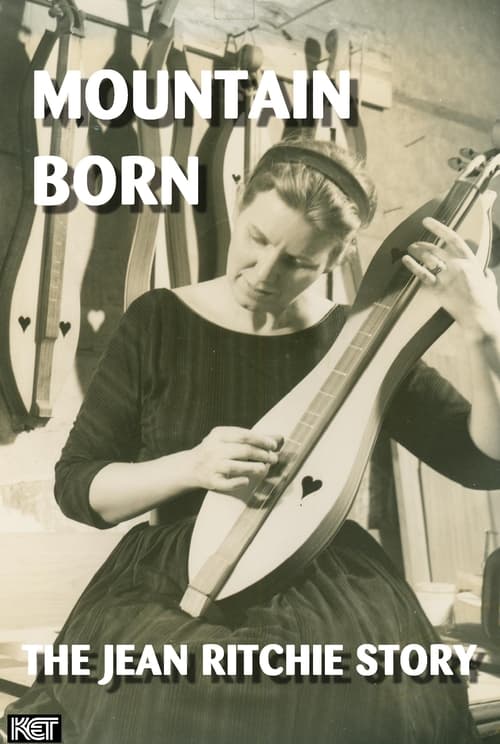
Mountain Born: The Jean Ritchie Story
Chronicles the 50-year career of singer/songwriter Jean Ritchie, from Viper, Kentucky to the New York stage. Pete Seeger, Arlo Guthrie, and her family and friends in Eastern Kentucky are among those interviewed. A 1996 KET production.
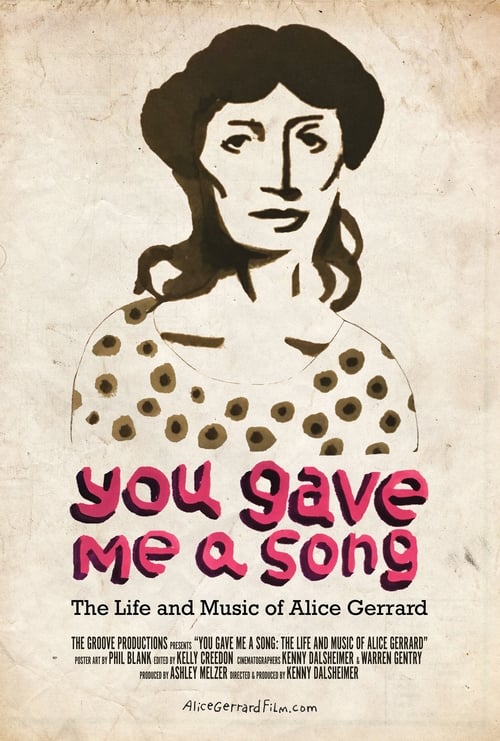
You Gave Me A Song: The Life and Music of Alice Gerrard
You Gave Me A Song offers an intimate portrait of old-time music pioneer Alice Gerrard and her remarkable, unpredictable journey creating and preserving traditional music. The film follows eighty-four year old Gerrard over several years, weaving together verité footage of living room rehearsals, recording sessions, songwriting, archival work, and performances with photos and rare field recordings. Much of the film is told in Alice’s voice and via interviews with musical collaborators and family members who share the story of Alice and others chasing that high lonesome sound.
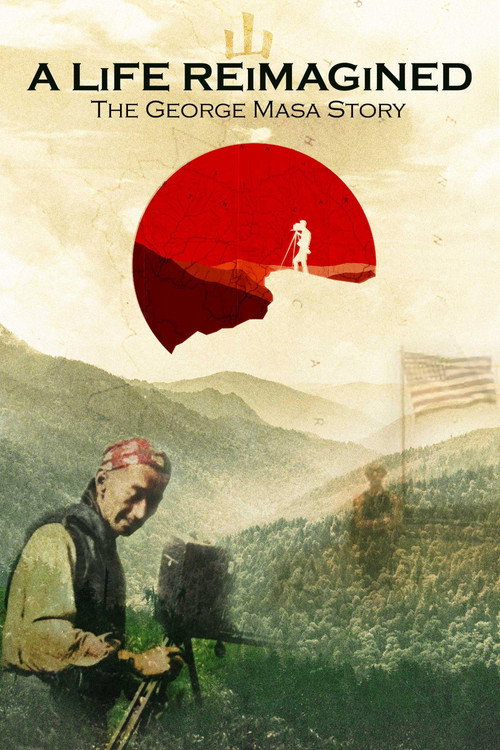
A Life Reimagined: The George Masa Story
In 1915 a young, charismatic Japanese man with a mysterious past entered into the Appalachian culture of Asheville, North Carolina, is suspicioned a spy, targeted by the Klan, but perseveres with a passion for photography and the mountains he adopts, bringing to life Great Smoky Mountains National Park & the Appalachian Trail.
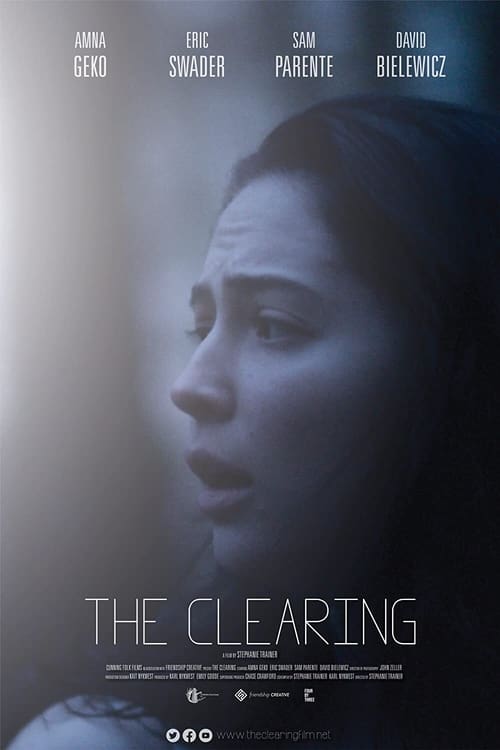
The Clearing
A storm that has been continuing to swell over Appalachia for 5 months with no sign of stopping. While journalist and her colleague are on route to continue ongoing interviews with survivors about strange psychological behavior following the storm, she inexplicably wakes up alone in an empty jeep, parked in a clearing, surrounded only by Appalachian wilderness. After realizing the car will not start, she makes the bold decision to find her way back to civilization on foot, despite being lost. With vivid recurring thoughts and visions of personal childhood trauma manifesting around her, she finds herself unable to leave the woods, instead mysteriously returning to the clearing.
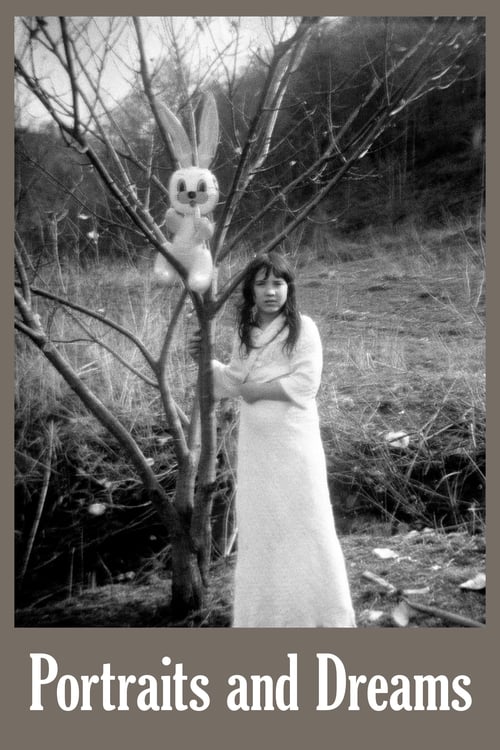
Portraits and Dreams
Revisit photographs created by Kentucky school children in the 1970s and the place where their photos were made. Photographer and artist Wendy Ewald, who guided the students in making their visionary photographs, returns to Kentucky and learns how the lives and visions of her former students have changed.
Mountain Talk
Mountain dialect, culture and identity are revealed by the true experts on Southern Appalachian culture--the people whose families have lived there for generations.
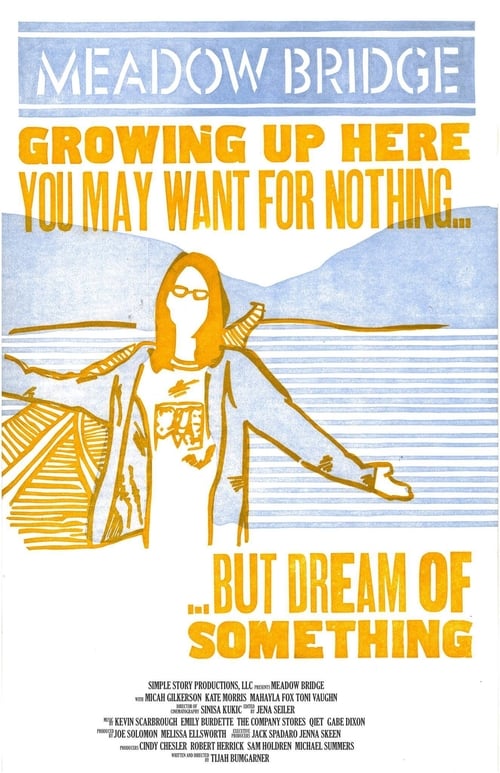
Meadow Bridge
Meadow Bridge is a coming-of-age story that follows Darcy, a fourteen-year-old girl growing up in a small West Virginia town in the late 1990s. It's a story about growing up on the edge of poverty and possibility - about trying to reach out into the bigger world, while wrestling with where you're from.

Tradition
Whiskey-making, one of the oldest traditions in the mountains, has been illegal since the end of the 18th century. Tradition is a portrait of Appalachian moonshiner Logan Adams, who began practicing his trade as a boy because “back then there wasn’t any jobs…about like now.” Adams discusses his vocation and why he continues to make whiskey despite having served a string of jail sentences for the practice. Adams’ story and family interviews are intercut with a federal revenue agent who describes the methods used by law enforcement agents to apprehend moonshiners. The film concludes with a tour by Adams of his still as he describes the whiskey-making process. This film will be of interest to anyone interested in moonshining, the economic and traditional forces that motivate illegal whiskey making, the law and its penalties, as well as anyone interested in what a practice long stereotyped by outsiders really entails.
Running for the Mountains
RUNNING FOR THE MOUNTAINS digs into West Virginia's history of 'patriotic sacrifice,' unearthing veins of dark money and dirty politics. The film tracks grassroots candidates and ordinary citizens' attempts to save their land, water, homes, and communities - calling out the pro-extraction politicians enabling destruction, including Senator Joe Manchin and his likely replacement, coal baron Governor Jim Justice. Appalachia is the proverbial canary in a coal mine; pay attention or pay the price.
In Ya Blood
Appalshop’s first dramatic film, In Ya Blood is the story of a prototypical young man from Appalachia in the summer after his senior year in high school. Randy, the protagonist, must make the difficult decision faced by many Appalachian youth‑‑whether to stay in the mountains or leave in search of a “better life.” The film follows Randy as he struggles with his alternatives of working in the coal mines or going off to college. Shot in black and white by filmmakers the same age as those portrayed in the film, In Ya Blood is highly effective as an insider’s look at the decisions faced by many teenagers as they consider their futures.
No Such Right: The End of Roe in Appalachia
“No Such Right” is a snapshot of a region in crisis. In the aftermath of the stunning Dobbs v Jackson decision, doctors, lawyers, activists, and young people across Appalachia had to come to terms with what the future of their region and their rights would be. ‘No Such Right’ is our search for answers, highlighting the voices of those impacted by Dobbs and their efforts to reckon with and remedy these issues. This story is a single piece of a much larger national narrative, but it is a story that few others are in a place to tell.
Stranger with a Camera
In 1967 Canadian filmmaker Hugh O'Connor came with a crew to eastern Kentucky to make a film showing people from all walks of life in the United States. They finished the day by filming coal miners and their families in rental houses. As the filmmakers were leaving, Hobart Ison, the owner of the property, drove up and fired three shots, killing Hugh O'Connor. Elizabeth Barrett, from Kentucky herself, explores why this happened by trying to understand the people and culture of eastern Kentucky.
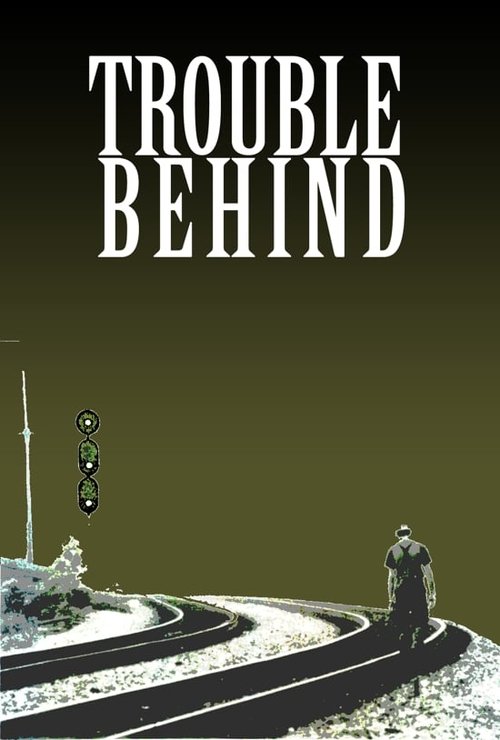
Trouble Behind
During World War I, African-Americans worked on the railroad near Corbin, Kentucky. When whites returned from the war, there was conflict. Whites sought their former jobs and positions in the community. In 1919, a race riot occurred. Whites put the African-Americans on railroad cars and ran them out of town. In Trouble Behind, members of the Corbin community speak out on the issue. The filmmakers also interview former members of the Corbin, which at the time of filming had only one black family. Some Corbin residents express confusion as to why African-Americans don't move back. Others openly use racial epithets. Some young adults seem troubled by the racism, past and present. Others don't.