antisemitism
20 items
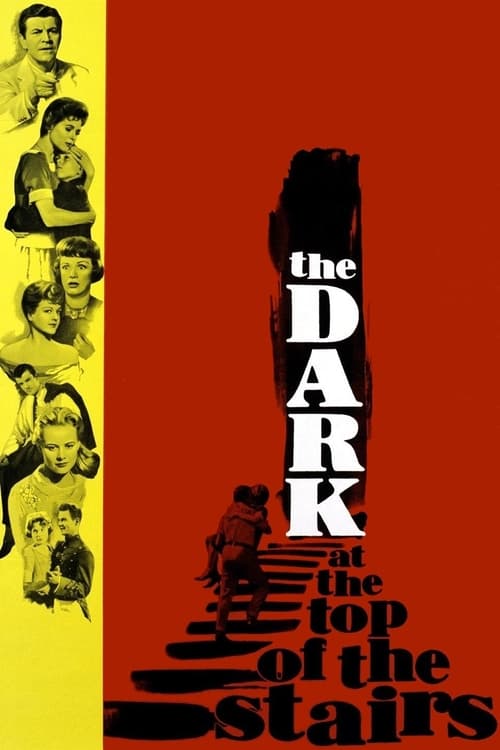
The Dark at the Top of the Stairs
In Oklahoma in the 1920s, Rubin Flood loses his job as a traveling salesman when the company goes bankrupt. This adds to his worries at home. His wife Cora is frigid because of trying to make ends meet. His teenage daughter Reenie is afraid of going out on dates, but eventually makes friends with a troubled Jewish boy Sammy Golden, and his son is a mama's boy. He finally storms out of the house when Cora falsely accuses him of having an affair with Mavis Pruitt.

David Baddiel: Jews Don't Count
The writer and comedian looks at antisemitism and the progressive left. From theatre to football, Baddiel explores a political blindspot with Stephen Fry, Miriam Margolyes and Neil Gaiman.
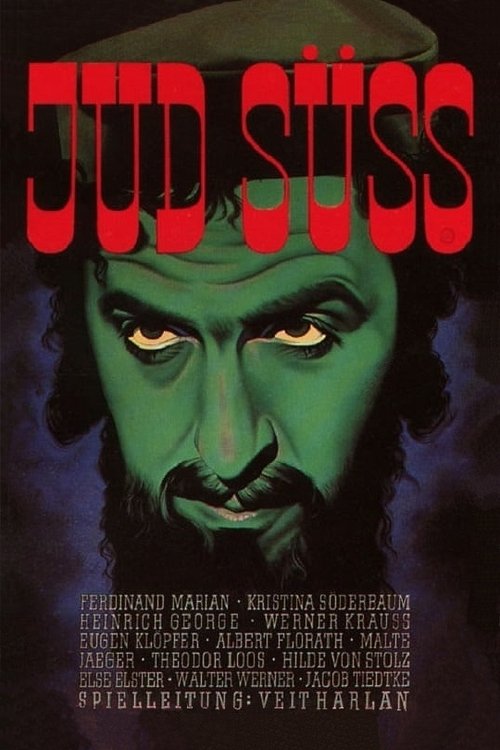
Süss, the Jew
Jud Süß
Nazi historical drama about Duke Karl Alexander of Württemberg and his treasurer Süß Oppenheimer.
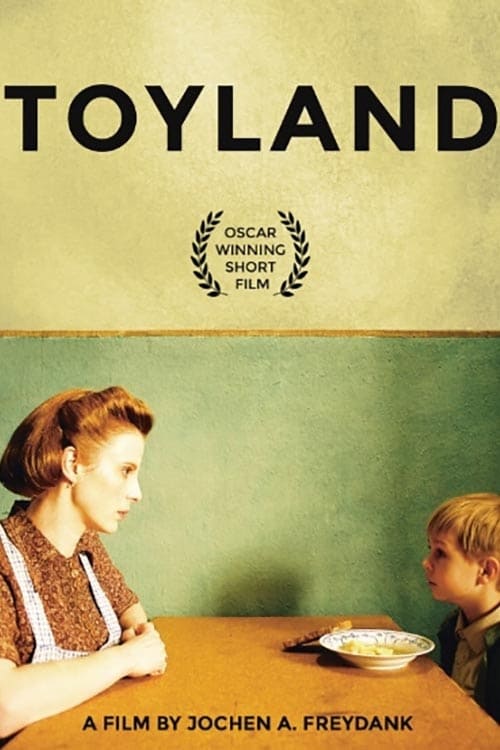
Toyland
Spielzeugland
On a winter morning, a mother goes to waken her son Heinrich; his bed is empty. She leaves her flat to find him. The neighbors' door, with a Star of David painted on it, is ajar, the furnishings in disarray, the family gone. She asks passersby, runs to the police then on to the rail yard. Flashbacks show that Heinrich and the neighbors' son Paul are six years old and best friends. Paul's family's deportation is expected soon; Heinrich's mother tells her son that they're going to Toyland. Heinrich wants to go with them, has a bag packed, and listens for their departure. His mother realizes he's joined them, and her resolve becomes more urgent. Will she arrive in time to save Heinrich?
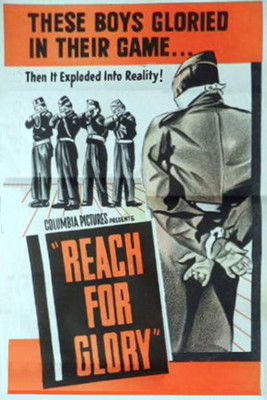
Reach for Glory
During World War II, teenage boys in a small English town are consumed with jingoism and brutal war games, hoping dearly that the war won't end before they can fight in it.
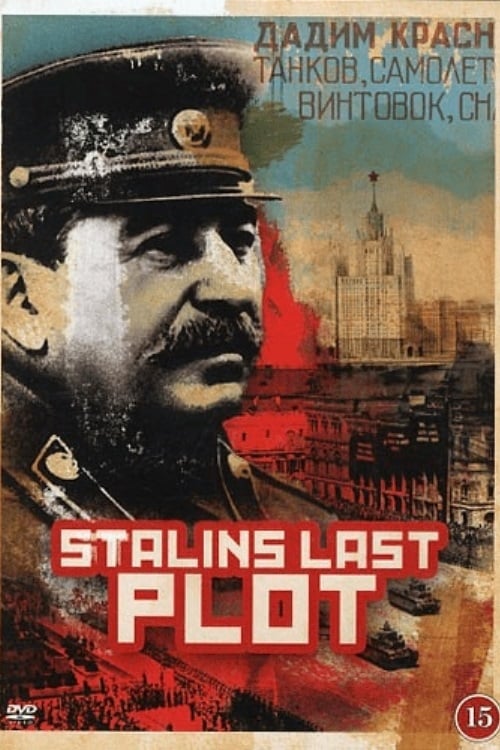
Stalin's Last Plot
Le Dernier Complot de Staline
January 1953: On the eve of his death Stalin finds himself yet another imaginary enemy: Jewish doctors. He organizes the most violent anti-Semitic campaign ever launched in the USSR, by fabricating the "Doctors' Plot," whereby doctors are charged with conspiring to murder the highest dignitaries of the Soviet Regime. Still unknown and untold, this conspiracy underlines the climax of a political scheme successfully masterminded by Stalin to turn the Jews into the new enemies of the people. It reveals his extreme paranoia and his compulsion to manipulate those around him. The children and friends of the main victims recount for the first time their experience and their distress related to these nightmarish events.
Rashi: A Light After The Dark Ages
A winemaker overcomes the ignorance and illiteracy of his era to become a Torah commentator who defends the right to spiritual choice and freedom in the 11th century.
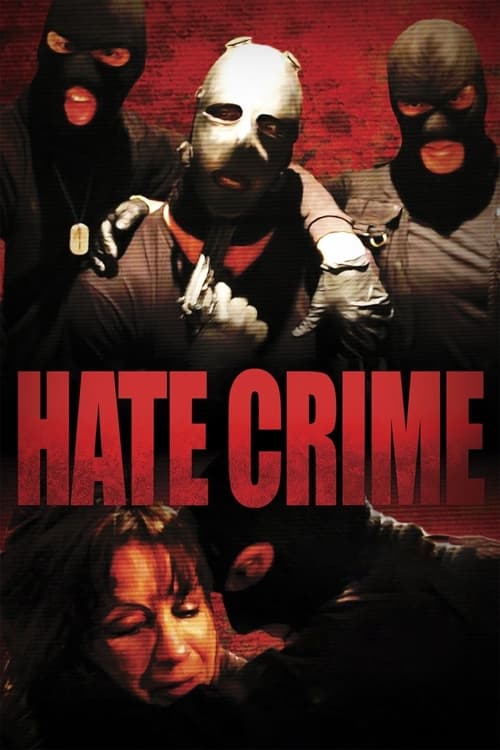
Hate Crime
A Jewish family, new to the neighborhood, are recording their youngest son's birthday celebrations on video when their home is suddenly invaded by a band of meth-head Neo-Nazis.
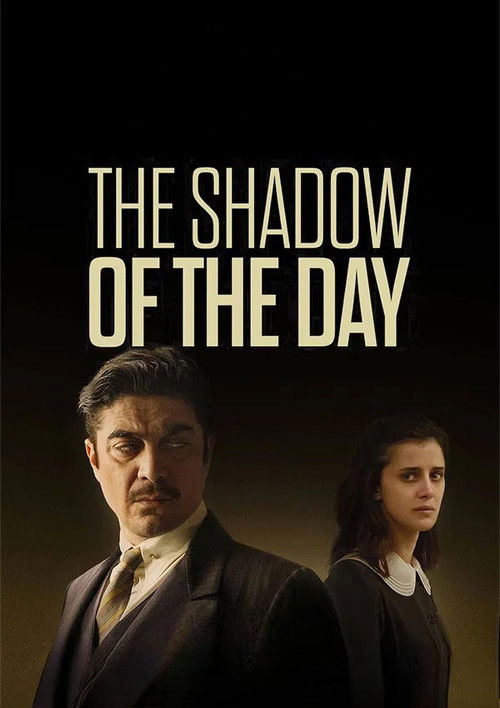
The Shadow of the Day
L'ombra del giorno
In 1938 Italy, after Jews are banned from public life, fascist-abiding restaurateur Luciano nonetheless believes he can still live by his own rules. Everything changes when Anna, a girl with a dangerous secret, begins working at his business.
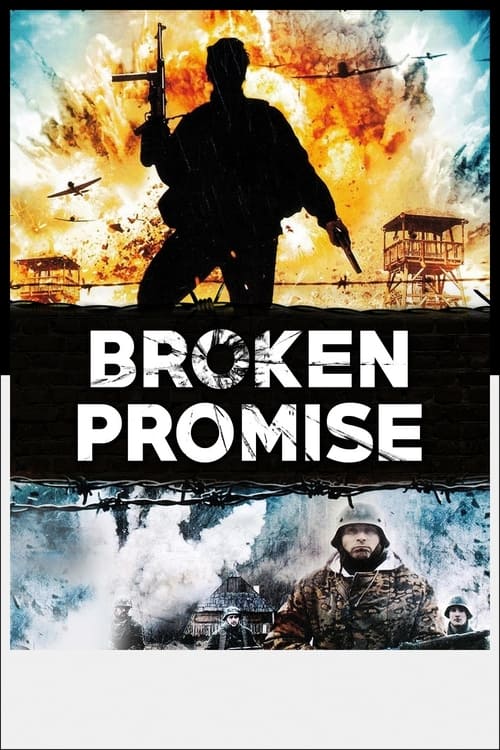
Broken Promise
Nedodržaný sľub
Slovakia, on the eve of the outbreak of World War II. The family of the young Jewish Martin Friedmann gathers to celebrate his bar mitzvah and make a solemn promise that they will all meet again a year later around the same table; but the storms of war and anti-Semitic fanaticism will lead each of them down very different paths.

1940: Taking over French Cinema
1940, main basse sur le cinéma français
Paris, 1940. German occupation forces create a new film production company, Continental, and put Alfred Greven – producer, cinephile, and opportunistic businessman – in charge. During the occupation, under Joseph Goebbels’s orders, Greven hires the best artists and technicians of French cinema to produce successful, highly entertaining films, which are also strategically devoid of propaganda. Simultaneously, he takes advantage of the confiscation of Jewish property to purchase film theaters, studios and laboratories, in order to control the whole production line. His goal: to create a European Hollywood. Among the thirty feature films thus produced under the auspices of Continental, several are, to this day, considered classics of French cinema.
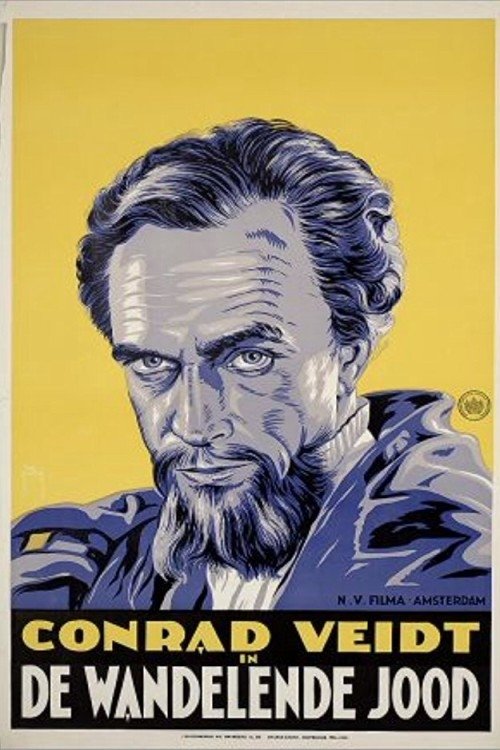
The Wandering Jew
Old Jerusalem: Matathias, spiteful over his lover's illness, spits on Jesus along the road to Calvary, and is cursed to live endlessly until His return. The Crusades, 1150: Matathias, now an anonymous knight, competes for glory in combat and for the wife of a soldier. Palermo, 1290: Matteos Battadios witnesses the death of his young son, leading to conflict with his wife over whether to take comfort in Christianity. Seville, 1560: Dr Matteos Battadios dedicates himself to the treatment and comfort of the poor, but his life and work are endangered by the arrival of the Spanish Inquisition.

Alex Edelman: Just for Us
After an acclaimed, extended run on Broadway, comedian Alex Edelman brings his solo show to HBO in an all-new comedy special. In the wake of a string of anti-Semitic threats pointed in his direction online, Edelman decides to go straight to the source; specifically, Queens, where he covertly attends a meeting of White Nationalists and comes face-to-face with the people behind the keyboards.

Jew Süss
A historical satire critical of the rising tide of Anti-Semitism in Germany. Based on the novel by Lionel Feuchtwanger, Jew Süss is the story of life in the 18th-century Jewish ghetto of Württemberg. Süss works himself out of the ghetto and into a position of power with the help of an evil duke.
Vienna 1910
Wien 1910
Vienna 1910 is a 1943 German biographical film directed by Emerich Walter Emo and starring Rudolf Forster, Heinrich George and Lil Dagover. It is based on the life of Mayor of Vienna Karl Lueger. Its antisemitic content led to it being banned by the Allied Occupation forces following the Second World War.
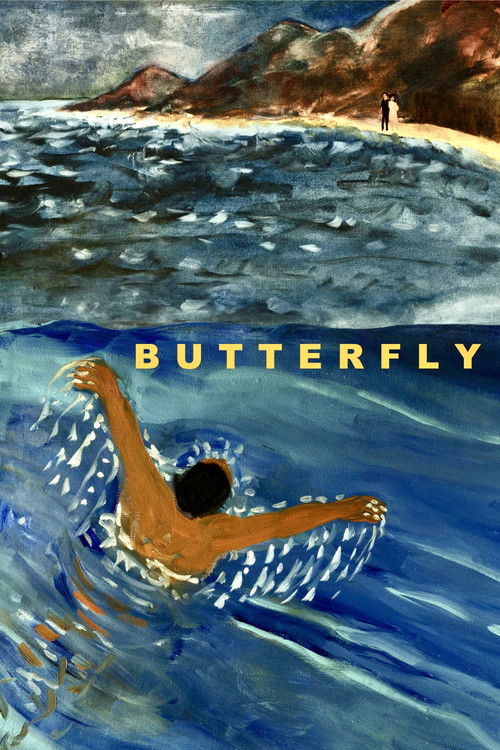
Butterfly
Papillon
A Jewish North African middle-aged man's swim in the sea triggers memories of his earlier life as an Olympic swimmer before and after World War II.
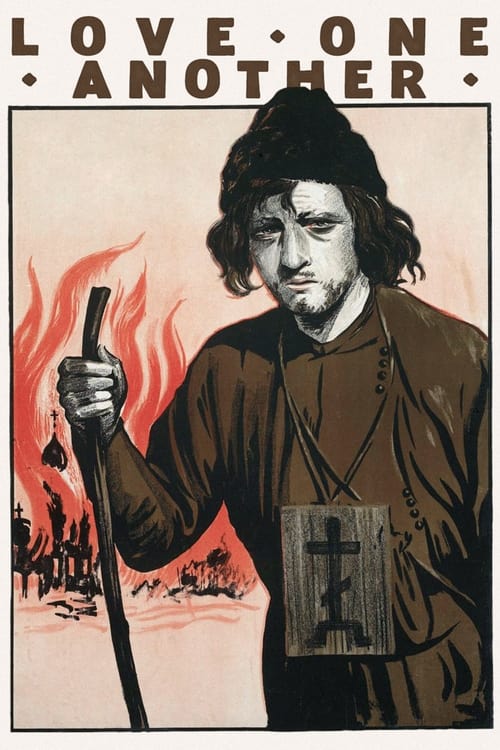
Love One Another
Die Gezeichneten
A look at various lives, one of which is Jewish girl Hanne Liebe, as she grows up and experiences the pains of living as a Jew in Russia, leading to a revolution.
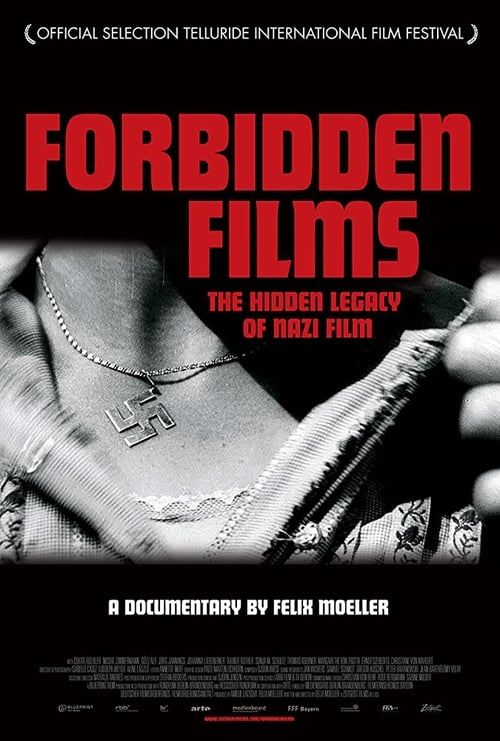
Forbidden Films
Verbotene Filme
Between 1933 and 1945 roughly 1200 films were made in Germany, of which 300 were banned by the Allied forces. Today, around 40 films, called "Vorbehaltsfilme", are locked away from the public with an uncertain future. Should they be re-released, destroyed, or continue to be neglected? Verbotene Filme takes a closer look at some of these forbidden films.
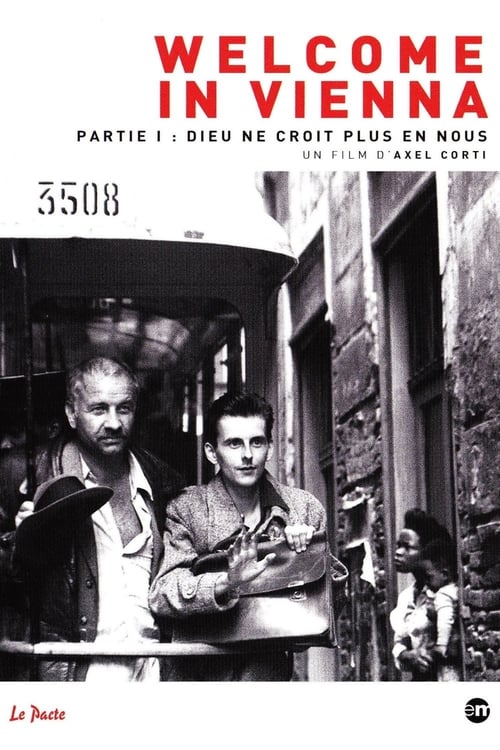
God Does Not Believe in Us Anymore
Wohin und Zurück - An uns glaubt Gott nicht mehr
After his father is murdered by the Nazis in 1938, a young Viennese Jew named Ferry Tobler flees to Prague, where he joins forces with another expatriate and a sympathetic Czech relief worker. Together with other Jewish refugees, the three make their way to Paris, and, after spending time in a French prison camp, eventually escape to Marseille, from where they hope to sail to a safe port.
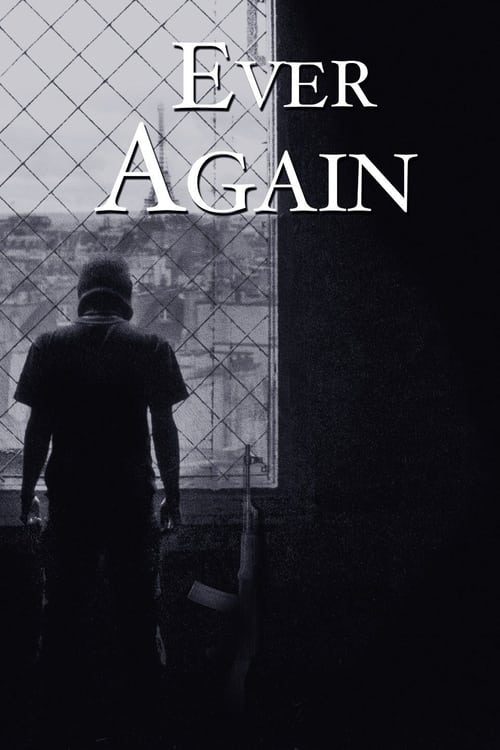
Ever Again
Ever Again examines the sweeping resurgence of antisemitism in 21st century Europe and its connection to global terrorism.